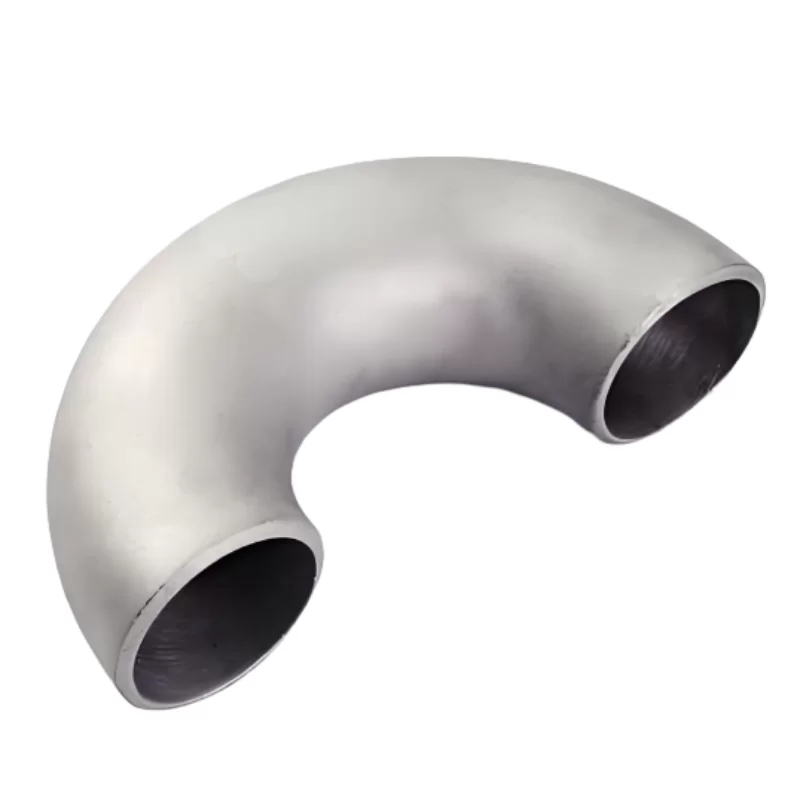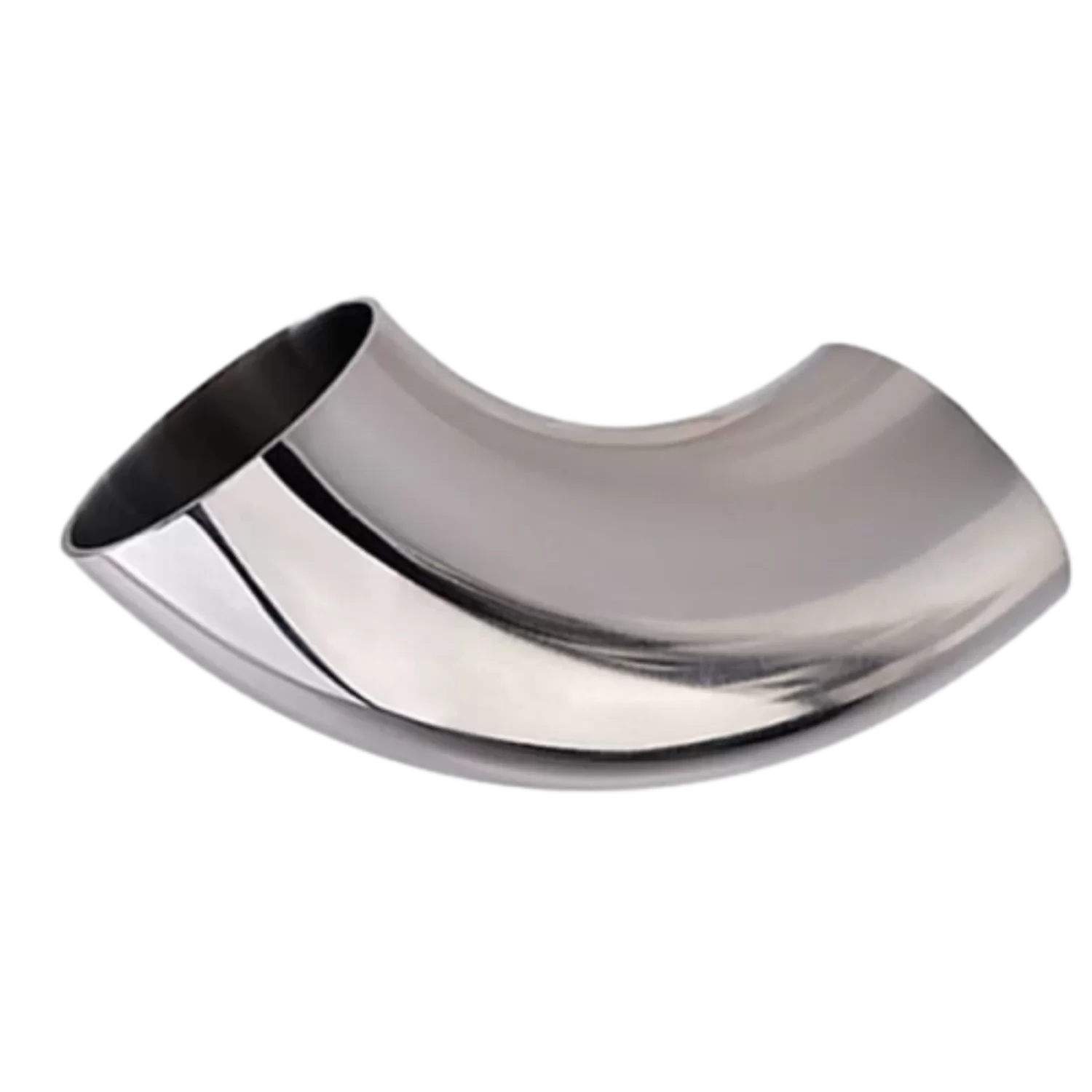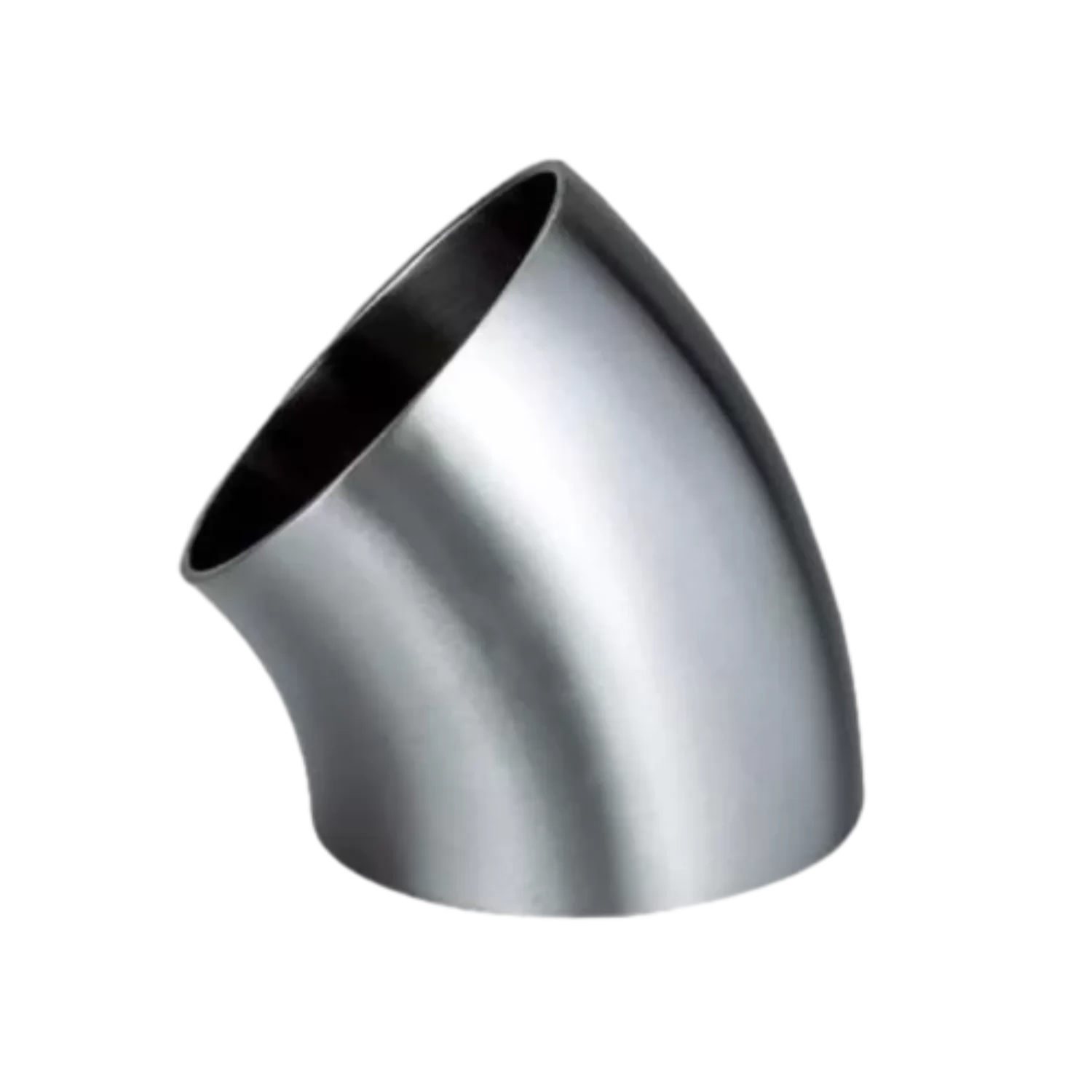
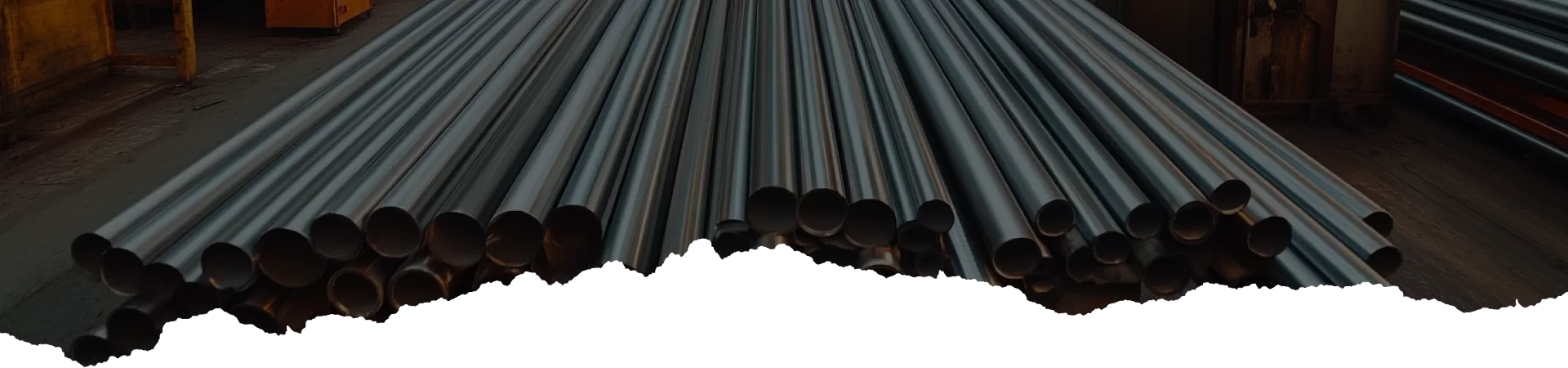
Pipe elbow fittings are one of the most commonly used components in industrial piping systems, designed to change the direction of flow within pipelines. Elbows, also referred to as pipe elbows, are available in a variety of angles, typically 45°, 90°, and 180°, to meet the diverse requirements of fluid and gas transportation in industries such as oil and gas, water treatment, chemical processing, and HVAC systems.
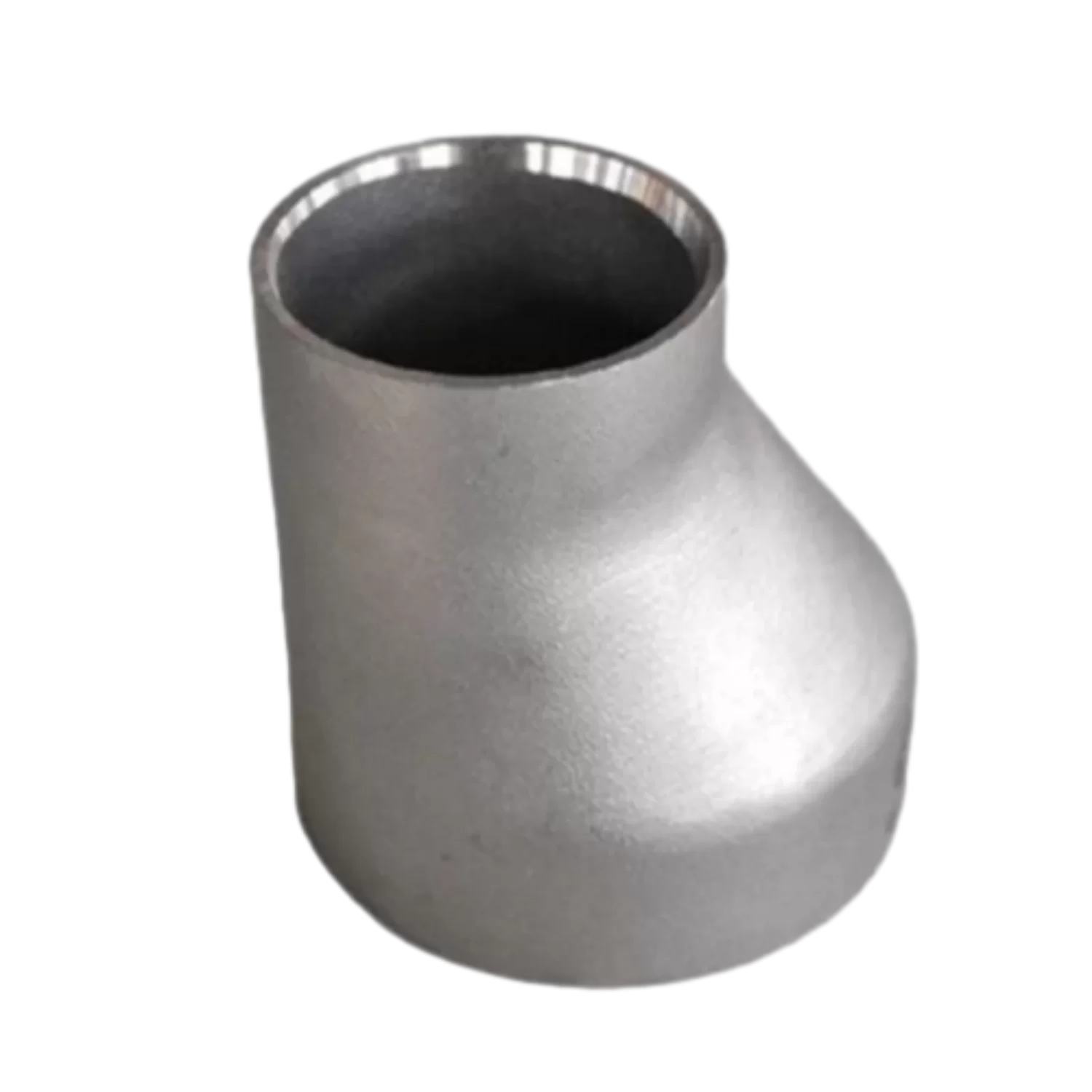
The main types of elbows include long radius elbows, short radius elbows, and reducing elbows. Long radius elbows provide smoother flow transitions, reducing pressure loss and turbulence, making them ideal for high-pressure systems. Short radius elbows, on the other hand, are compact and suitable for piping systems with limited space but are generally used in low-pressure applications. Reducing elbows combine direction change with pipe diameter reduction, providing versatility in complex piping designs.
Elbow fittings are typically manufactured from carbon steel, stainless steel, or alloy steel, depending on the specific application and environmental conditions. Carbon steel elbows are widely used due to their strength and cost-effectiveness, whereas stainless steel elbows offer superior corrosion resistance, making them suitable for chemical, food, or marine environments.
As a professional elbow manufacturer and China supplier, we provide a full range of pipe elbow fittings that comply with international standards such as ASTM, ANSI, DIN, and JIS. Whether you are sourcing steel elbows for high-pressure pipelines or stainless steel elbows for corrosive applications, our products are designed to ensure reliable performance, efficient flow control, and long-term durability.
When selecting pipe elbows for industrial projects, one of the most important decisions is the choice of material. Carbon steel elbows and stainless steel elbows are the most commonly used options, each offering specific benefits depending on the application, environmental conditions, and system requirements.
Carbon steel elbows are widely appreciated for their strength, durability, and cost-effectiveness. They are suitable for high-pressure systems and heavy-duty applications such as oil and gas pipelines, power plants, and structural support systems. Due to their mechanical strength, carbon steel elbows can withstand extreme loads and mechanical stress, providing reliable performance in demanding environments. They are also an excellent choice for buyers seeking wholesale elbow fittings at competitive prices.
In contrast, stainless steel elbows provide outstanding corrosion resistance and longevity. These elbows are ideal for chemical processing, water treatment, marine systems, and food-grade applications, where exposure to corrosive media, high humidity, or high temperatures can shorten the service life of other materials. Stainless steel elbows may have a higher initial cost compared to carbon steel, but their low maintenance requirements and extended lifespan often make them a more economical choice in the long run.
As a leading pipe elbow manufacturer and supplier in China, we offer both carbon steel and stainless steel elbow fittings, available in various angles, diameters, and pressure classes. Our elbows comply with international standards including ANSI, ASTM, DIN, and JIS, ensuring compatibility and reliability for global projects. Selecting the correct material and type of elbow fitting is essential to ensure efficient fluid flow, system safety, and long-term durability.
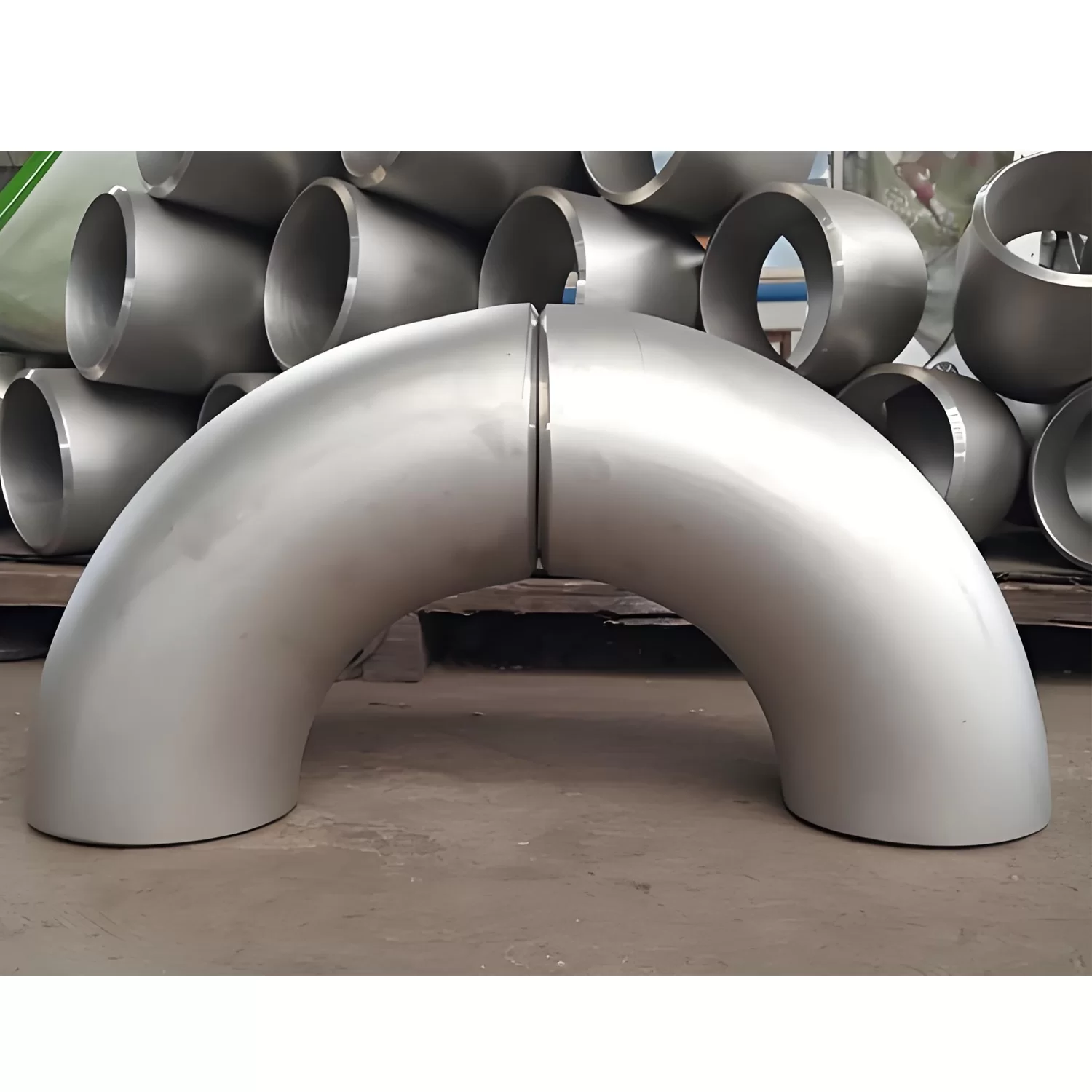
Elbow fittings are crucial in directing the flow of fluids and gases in industrial pipelines. Understanding the different angles and types of elbows is key to designing an efficient and safe piping system. Pipe elbows, also called elbow fittings, come in a variety of configurations, including 45-degree elbows, 90-degree elbows, 180-degree elbows, long radius elbows, and short radius elbows.
A 45-degree elbow is commonly used to make gradual changes in the direction of flow, minimizing pressure loss and reducing turbulence in the system. 90-degree elbows are widely applied to create sharp directional changes in piping systems where space is limited. 180-degree elbows, or return bends, are used to reverse the flow direction within the pipeline. Long radius elbows provide smooth transitions for high-pressure applications, while short radius elbows are preferred when compact installations are required.
Material selection is also critical when choosing elbow fittings. Carbon steel elbows are cost-effective and ideal for general industrial use, while stainless steel elbows provide excellent corrosion resistance and are suitable for harsh environments, such as chemical plants, water treatment systems, and offshore pipelines. In addition, elbows can be produced as seamless or welded fittings, depending on the pressure requirements and pipe diameter.
Mar 30,26
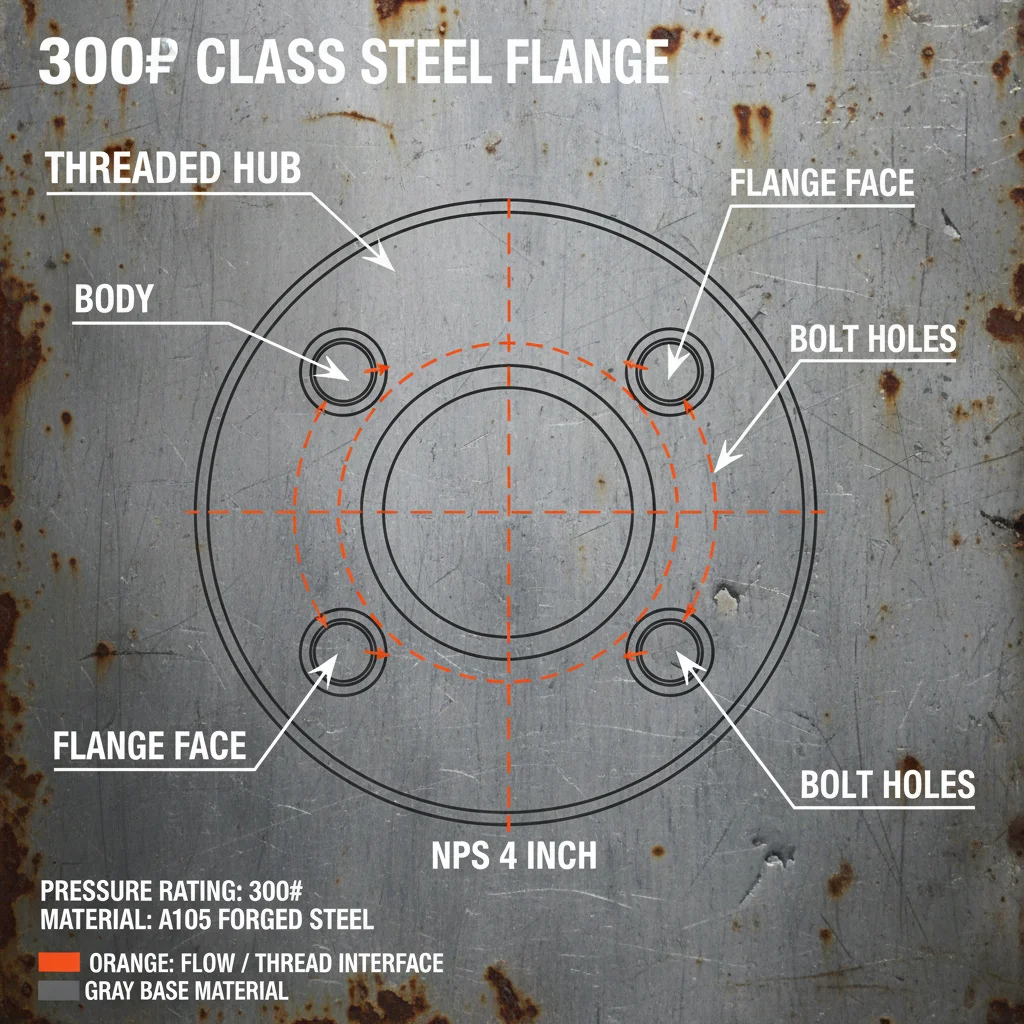
The Essential Guide to 300 Threaded Flange Selection and Reliable Performance
Dec 02,25
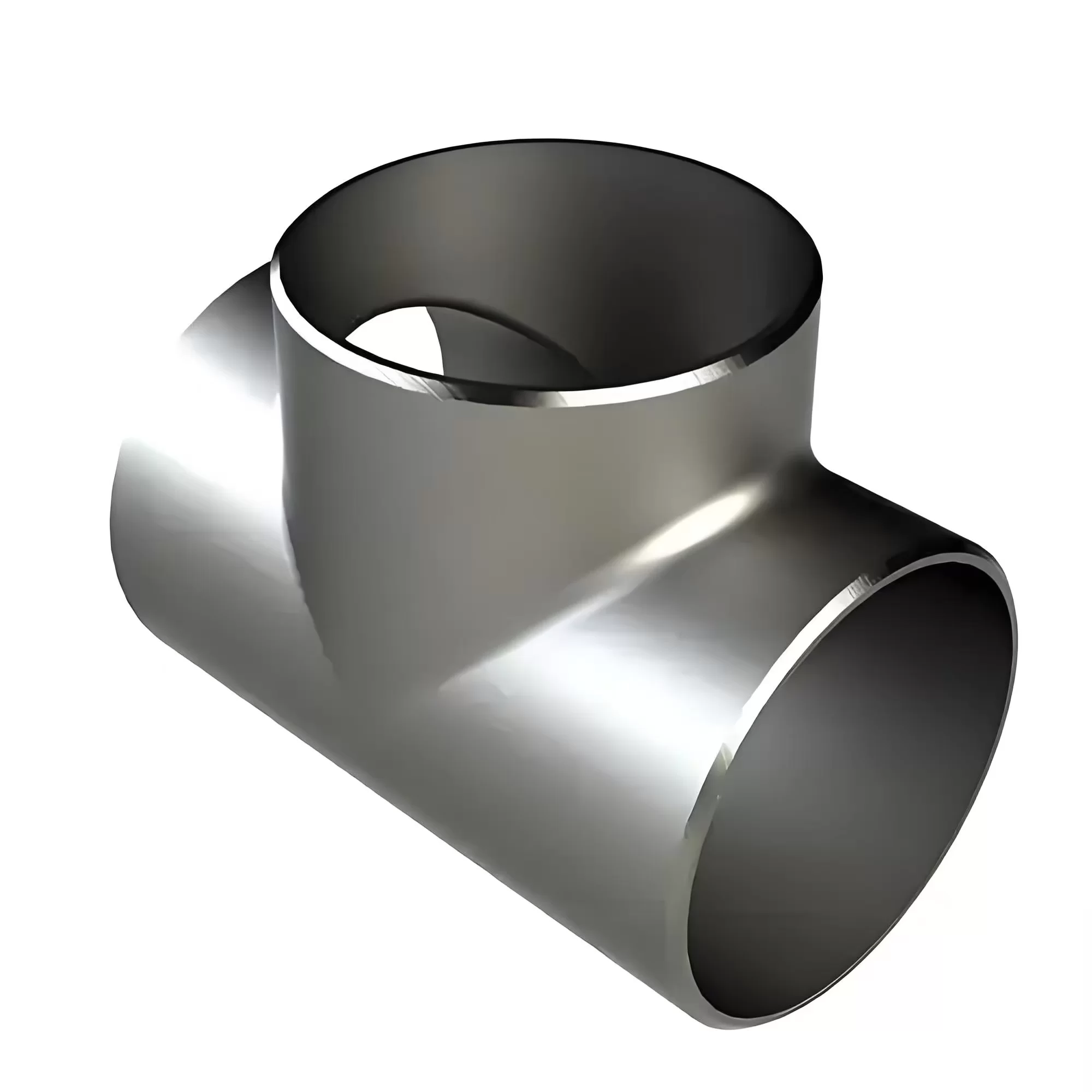
The Core Role Of The Tee In Pipeline Systems
In the complex architecture of modern pipeline systems—spanning petrochemical plants, municipal waterworks, HVAC networks, and power generation facilities—the tee fitting is arguably one of the most critical and universally employed components.
Apr 16,26
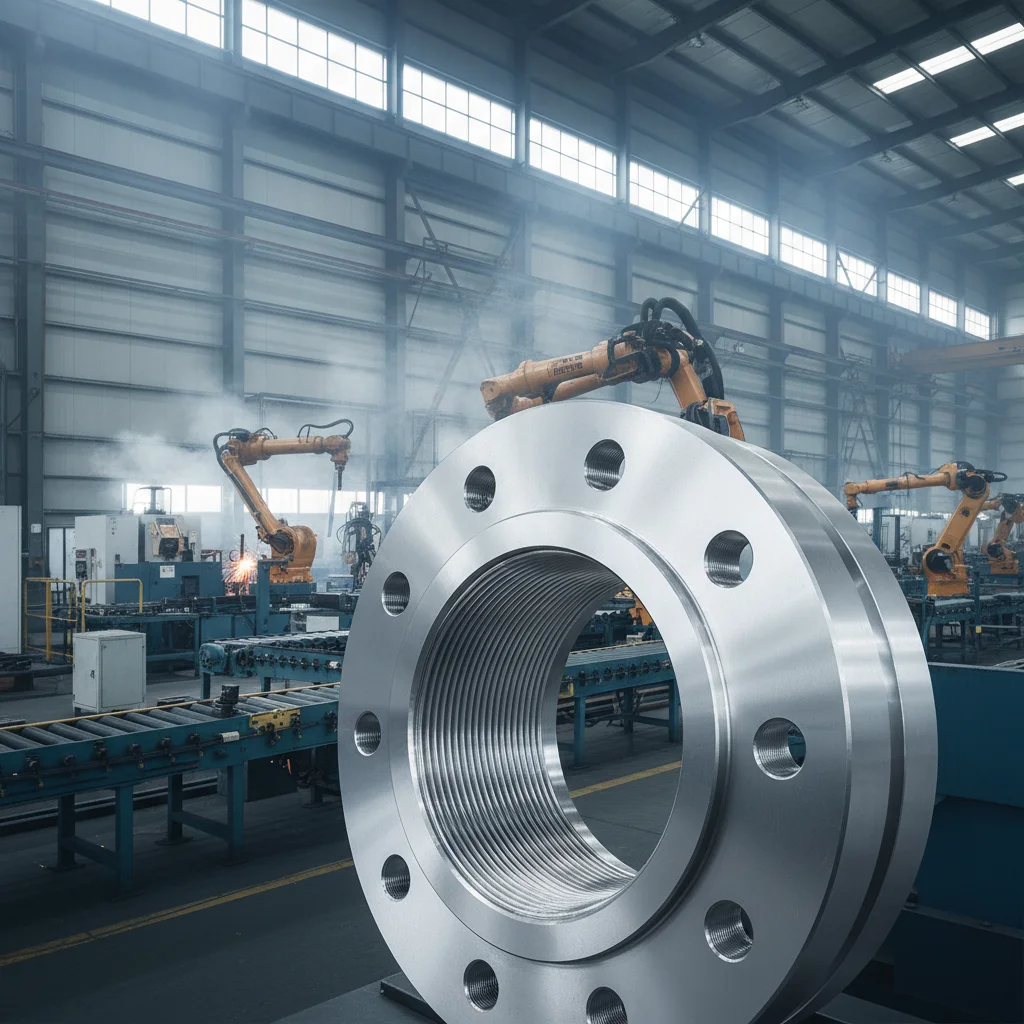
Aluminum Threaded Flange Applications and Industrial Benefits
Apr 06,26
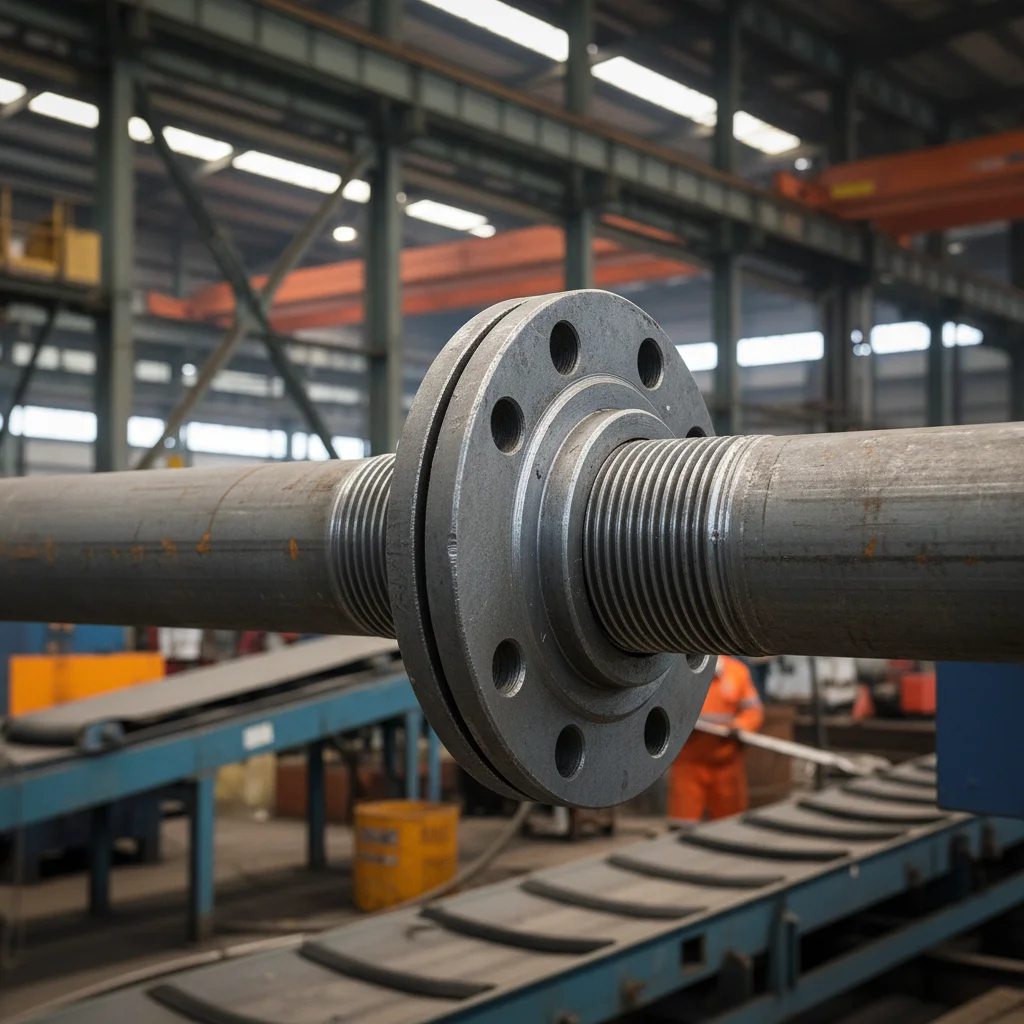
Understanding the Critical Role of the 6 inch Threaded Flange in Industrial Applications
Apr 03,26
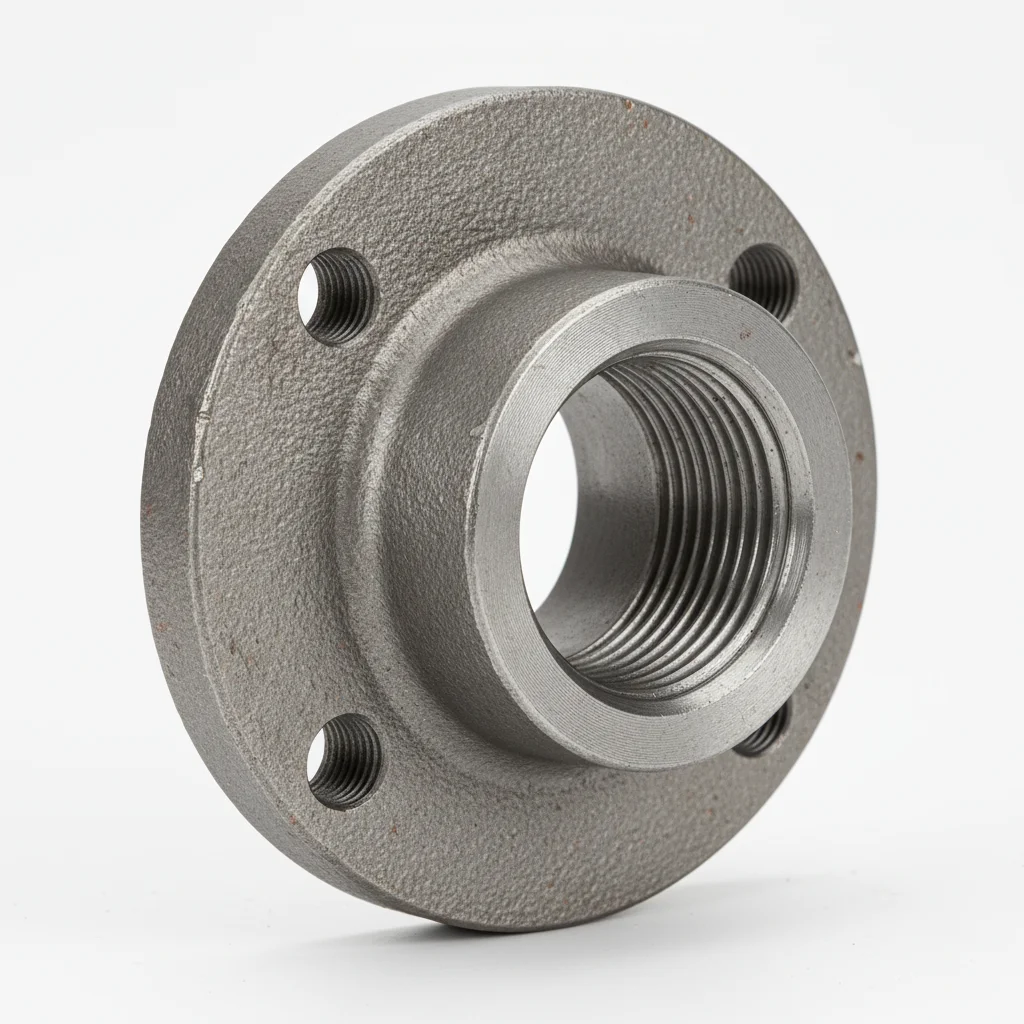
The Indispensable 50mm Threaded Flange for Reliable Industrial Connections
Dec 02,25
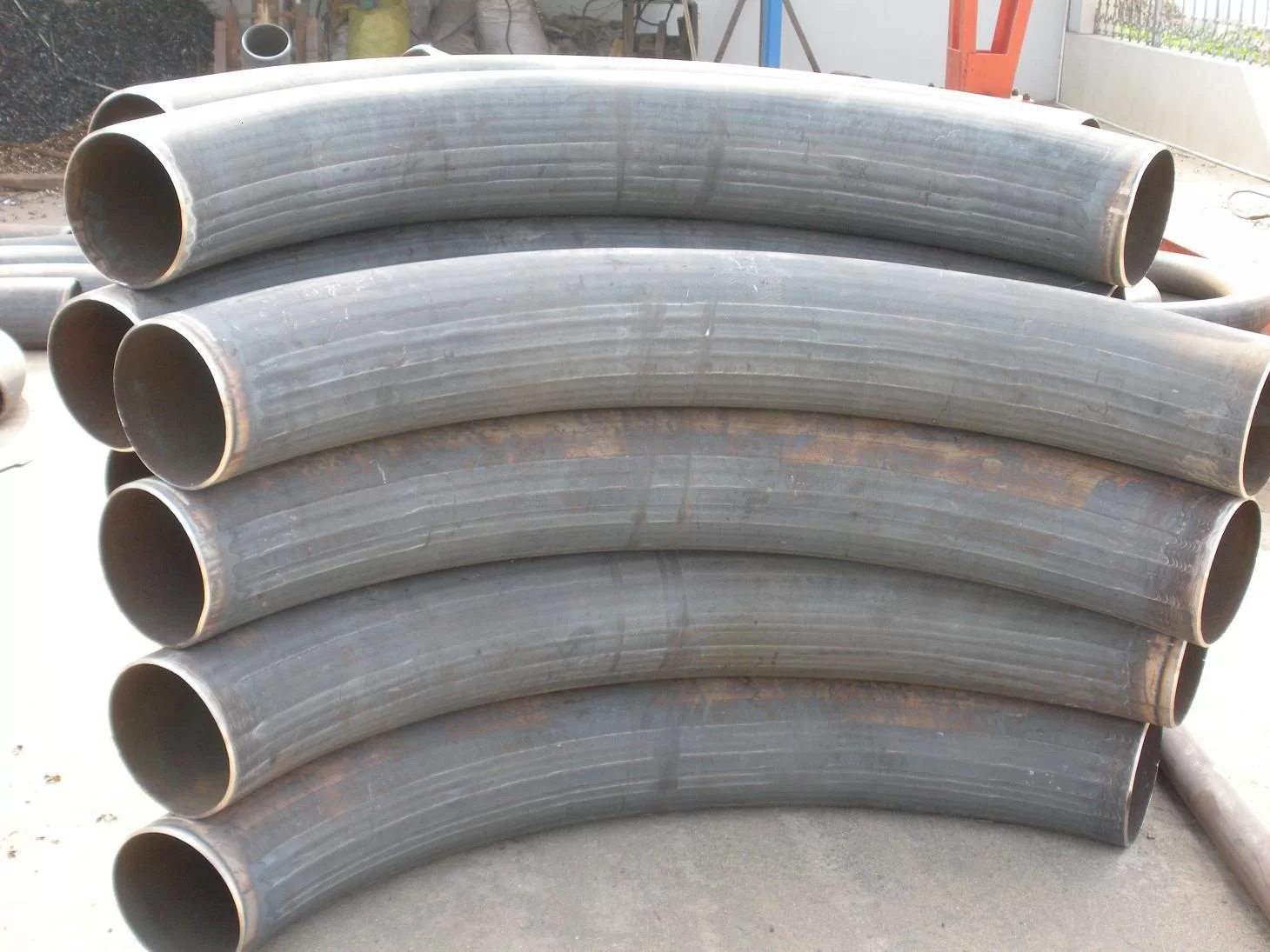
Characteristics And Common Applications Of Carbon Steel Bending Pipe
The use of bent piping is an essential practice in industrial construction, allowing fluid transfer lines to navigate complex routes, compensate for thermal expansion, and eliminate the need for numerous welded elbow fittings.
SUBSCRIBE NEWSLETTER