High Performance Aluminum Threaded Flange Solutions for Industrial Piping Systems

  • Home
  • Top Blog
  • High Performance Aluminum Threaded Flange Solutions for Industrial Piping Systems
0%

Table of Contents

Aluminum threaded flanges are crucial components in piping systems across various industries, facilitating secure and leak-proof connections. Their ability to withstand high pressures and temperatures, coupled with their relatively lightweight nature, makes them indispensable in sectors like chemical processing, oil and gas, and water treatment. Understanding the nuances of aluminum threaded flange selection and application is paramount for ensuring the longevity, safety, and efficiency of critical infrastructure projects globally.

The demand for aluminum threaded flanges is driven by the continuous expansion of industrial activities and infrastructure development worldwide. Regions experiencing rapid urbanization and economic growth, particularly in Asia and the Middle East, present significant market opportunities. However, challenges remain in maintaining consistent quality control, addressing supply chain disruptions, and adapting to evolving industry standards. aluminum threaded flange solutions are increasingly sought after for their corrosion resistance and compatibility with diverse fluids.

These flanges represent more than just mechanical connectors; they symbolize the reliable transport of essential resources and the safe operation of complex processes. From delivering clean water to powering industrial facilities, the integrity of these components directly impacts daily life and economic stability. The ongoing innovation in aluminum alloys and threading techniques further enhances their performance and expands their application potential.
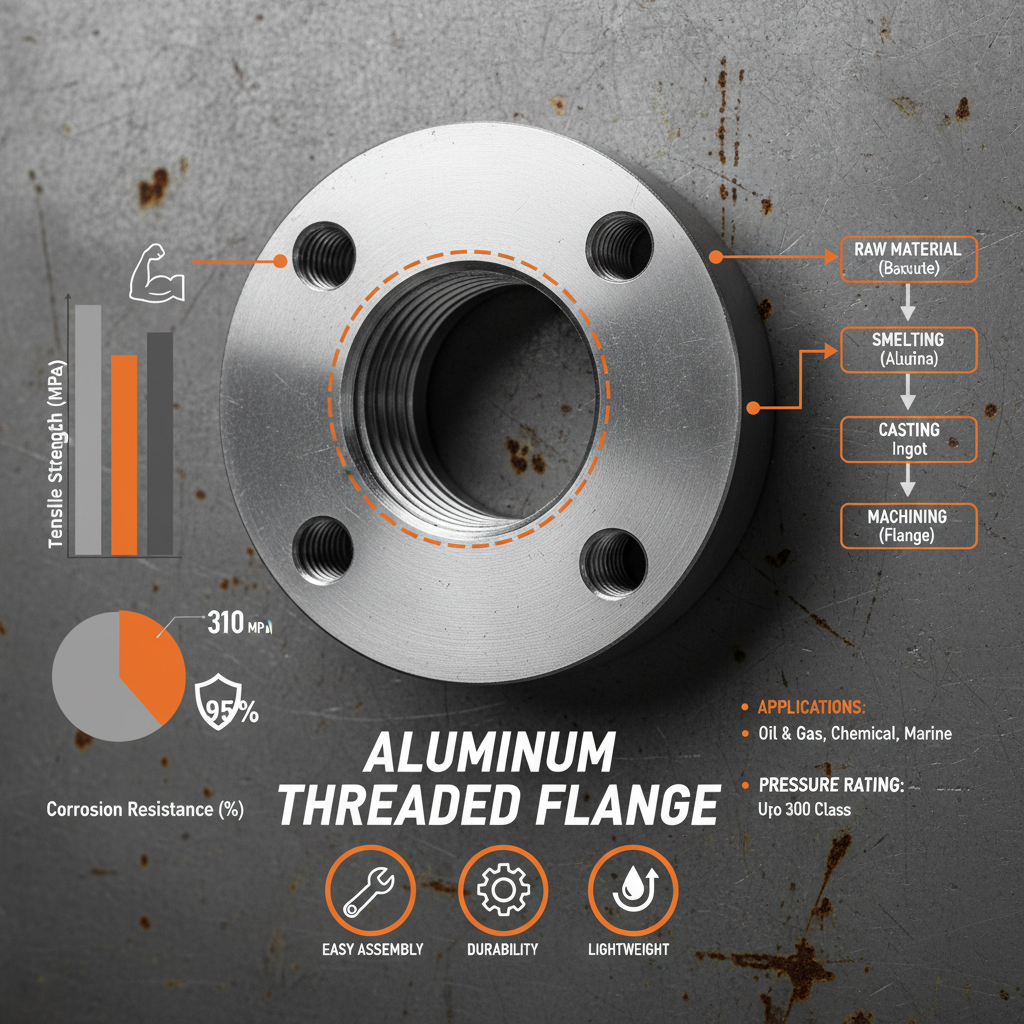
aluminum threaded flange

The Importance of Aluminum Threaded Flanges in Modern Industry

aluminum threaded flange

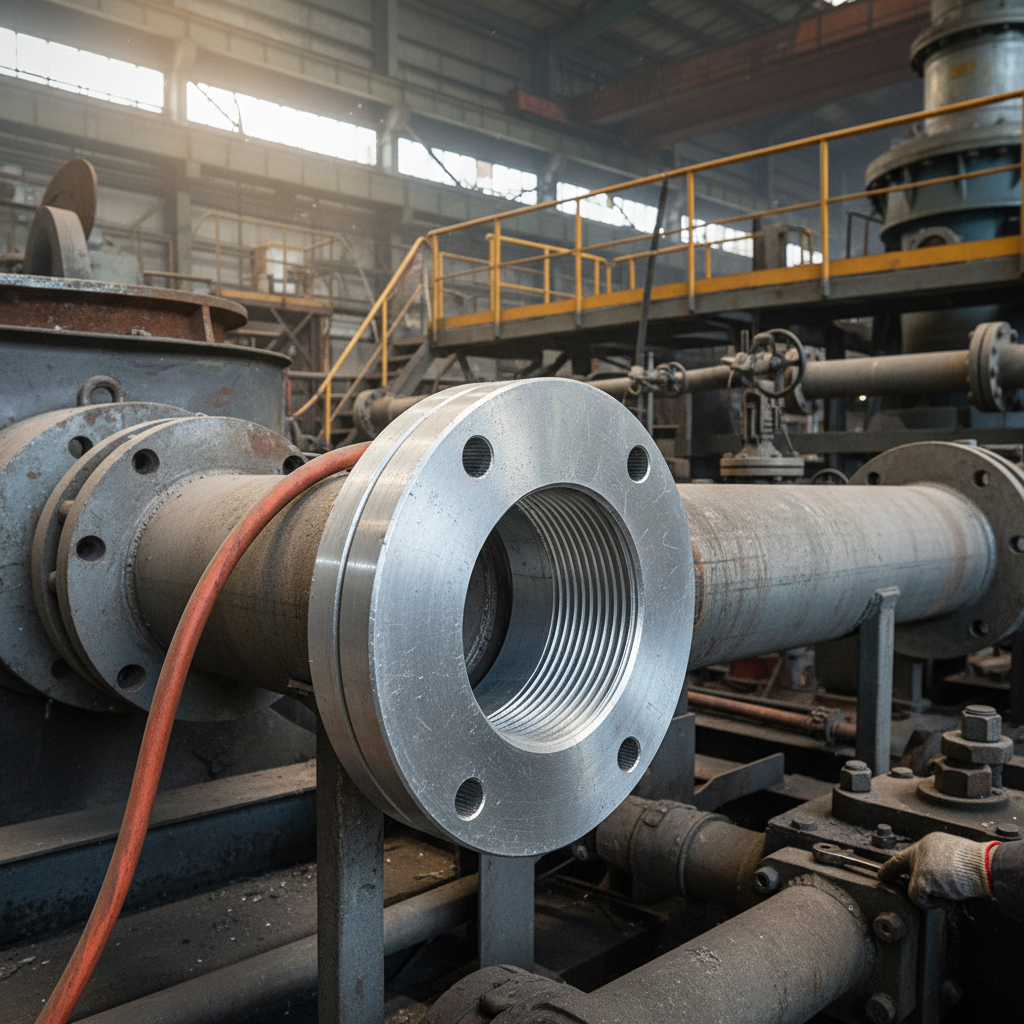
Aluminum threaded flanges play a vital role in numerous industrial applications, acting as the critical link between pipes, valves, pumps, and other equipment. Their widespread use stems from their ability to create a secure, leak-proof seal while offering a relatively lightweight and corrosion-resistant alternative to steel flanges in certain environments. This is particularly important in industries where material weight is a significant concern, such as aerospace and mobile applications.

The reliance on aluminum threaded flange solutions extends to sectors requiring high purity and resistance to chemical corrosion. Aluminum's inherent properties minimize the risk of contamination, making these flanges ideal for use in food processing, pharmaceutical manufacturing, and similar sensitive applications.

Understanding Aluminum Threaded Flange Construction and Materials

Aluminum threaded flanges are typically manufactured from various aluminum alloys, each possessing unique properties tailored to specific applications. Common alloys include 6061-T6, 5052, and 7075, chosen for their strength, weldability, and corrosion resistance. The threading itself is usually produced through machining processes, ensuring precise dimensions and a tight fit when connected to mating components.

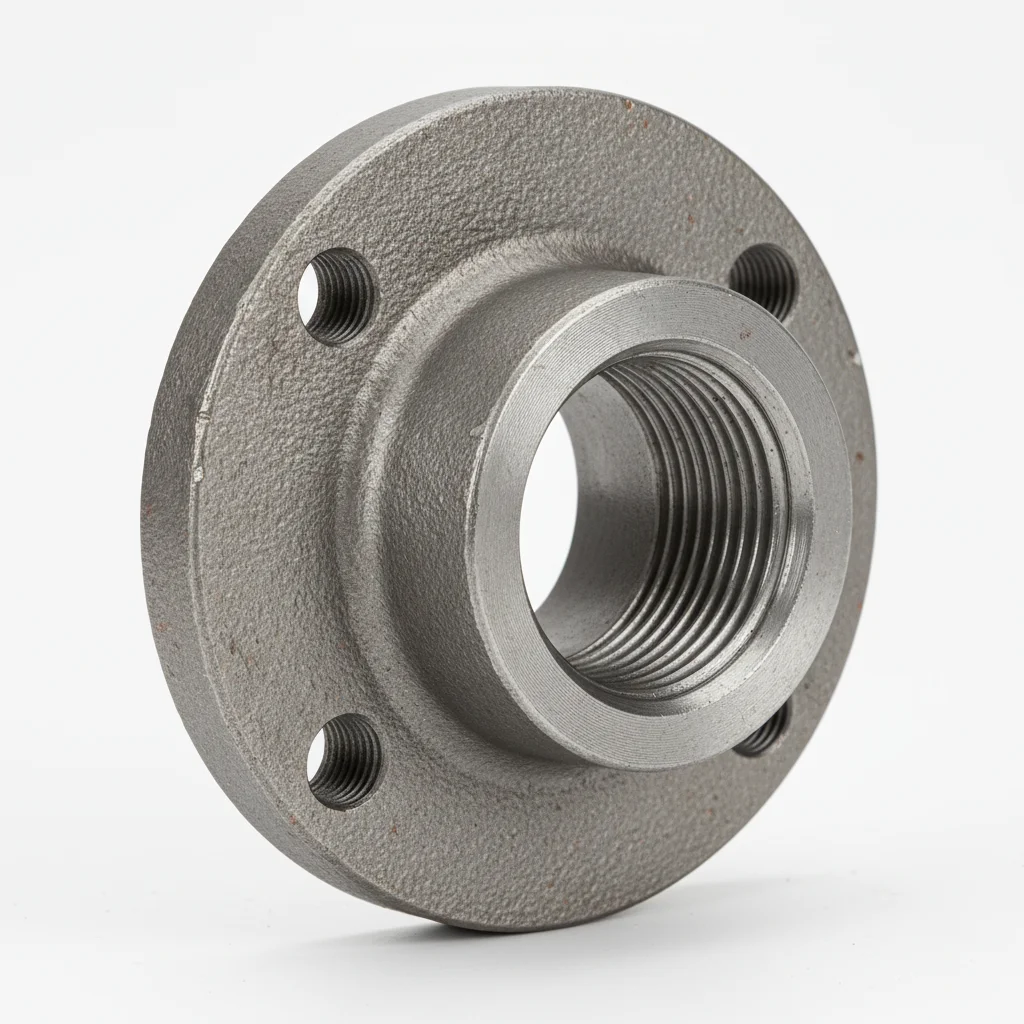
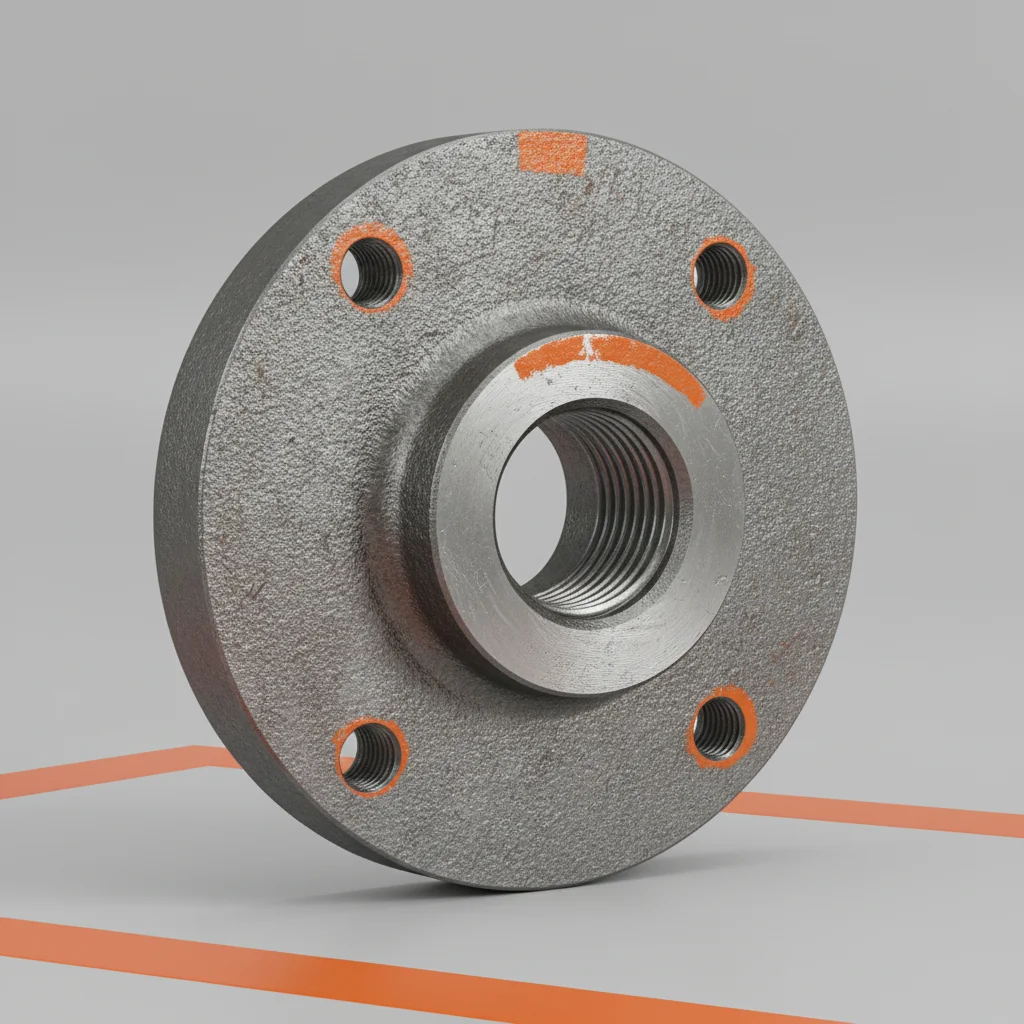
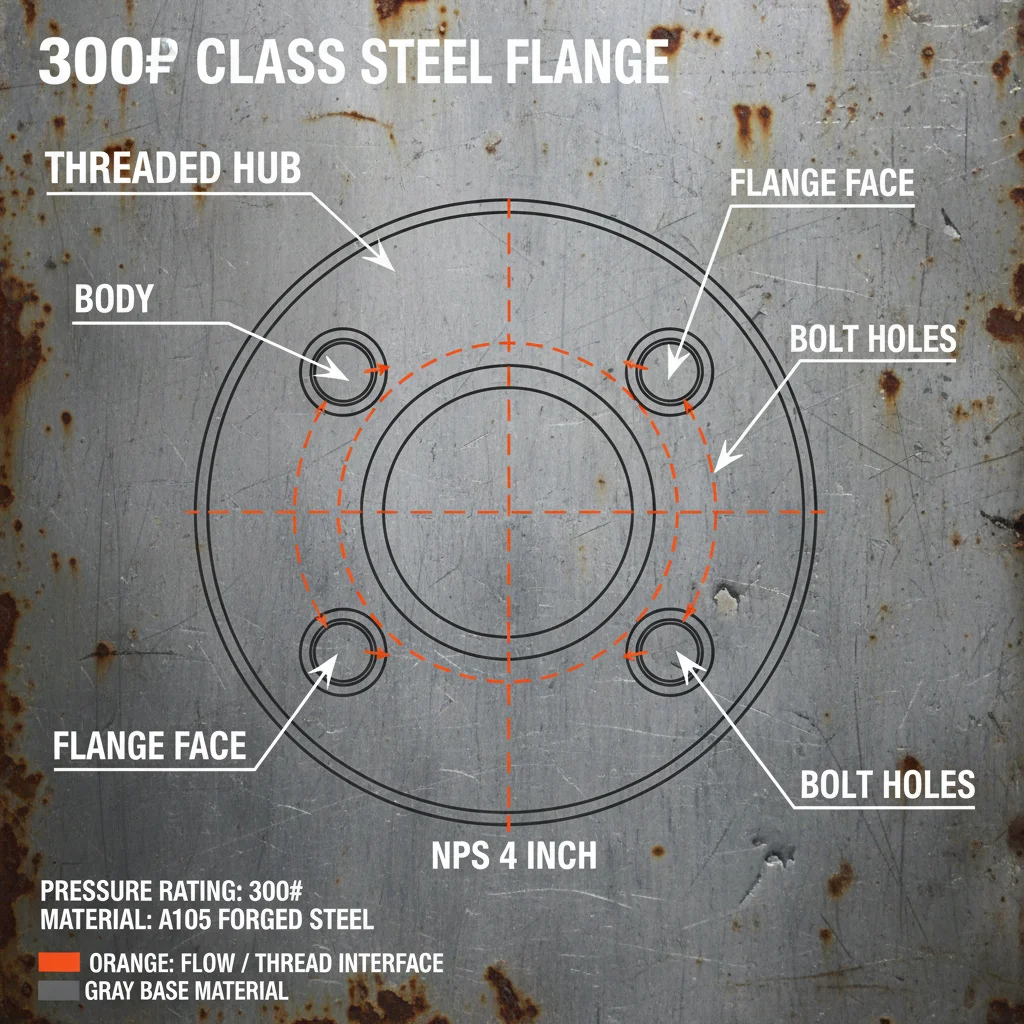
The construction of an aluminum threaded flange usually involves a flat, circular plate with a raised ring containing the threaded hole. The flange is designed to be bolted to a mating flange using appropriate fasteners, creating a secure connection. The thread type (NPT, BSP, etc.) is critical and must be compatible with the piping system.

Quality control throughout the manufacturing process is paramount. This includes rigorous inspection of the aluminum alloy composition, thread accuracy, and overall dimensional tolerances to guarantee a reliable and long-lasting connection.

Key Characteristics of High-Quality Aluminum Threaded Flanges

A high-quality aluminum threaded flange exhibits several key characteristics. First, the aluminum alloy must meet stringent industry standards for chemical composition and mechanical properties. Second, the threading must be precise and free of defects, ensuring a secure and leak-proof seal.

Corrosion resistance is another critical factor, especially in environments exposed to moisture, chemicals, or saltwater. Anodizing or other surface treatments can further enhance the corrosion protection of the aluminum flange. Finally, the flange should be dimensionally accurate and consistent with industry standards, ensuring compatibility with existing piping systems and components.

Properly manufactured aluminum threaded flange products demonstrate consistent wall thickness and a smooth, burr-free surface, which are vital for ensuring a reliable and secure seal. These aspects prevent premature wear and maintain the integrity of the connection over extended periods.

Performance Metrics and Comparative Analysis of aluminum threaded flange

Evaluating the performance of aluminum threaded flanges requires considering several key metrics, including pressure rating, temperature resistance, tensile strength, and corrosion resistance. These metrics determine the suitability of the flange for specific applications and operating conditions. Comparative analysis with steel flanges reveals trade-offs between weight, cost, and strength.

While steel flanges generally offer higher strength and pressure ratings, aluminum flanges excel in applications where weight is a critical factor. Aluminum's lower density translates to lighter piping systems, reducing transportation costs and simplifying installation.

Aluminum Threaded Flange Performance Comparison

Global Applications of Aluminum Threaded Flanges

Aluminum threaded flanges find widespread use across diverse industries worldwide. In the chemical processing industry, they are employed to connect pipes carrying corrosive fluids, leveraging aluminum's inherent resistance to many chemicals. The aerospace sector utilizes them in hydraulic systems and fuel lines, capitalizing on their lightweight properties.

The oil and gas industry also benefits from the use of these flanges, particularly in offshore applications where corrosion is a major concern. In water treatment facilities, aluminum threaded flange connections contribute to the safe and efficient delivery of clean water.

Advantages and Long-Term Value Proposition

The advantages of using aluminum threaded flanges extend beyond immediate cost savings. Their lightweight nature reduces installation costs and simplifies maintenance. Their corrosion resistance minimizes the need for frequent replacements, lowering long-term operating expenses.

Furthermore, aluminum's recyclability contributes to sustainability efforts, aligning with growing environmental consciousness. The reliable performance and longevity of these flanges ensure the integrity of critical infrastructure, minimizing downtime and maximizing operational efficiency.

Future Trends and Innovations in Aluminum Threaded Flange Technology

Ongoing research and development efforts are focused on enhancing the performance and expanding the applications of aluminum threaded flanges. New aluminum alloys with improved strength and corrosion resistance are constantly being developed. Innovations in surface treatments, such as advanced anodizing techniques, further enhance their protective properties.

The integration of smart sensors into aluminum threaded flange connections is emerging as a promising trend, enabling real-time monitoring of pressure, temperature, and corrosion levels. This data can be used to predict potential failures and optimize maintenance schedules.

The adoption of additive manufacturing (3D printing) for producing complex flange designs is also gaining traction, allowing for customized solutions tailored to specific application requirements.

FAQS

What are the primary benefits of using aluminum threaded flanges over steel?

Aluminum threaded flanges offer several advantages over steel, including a significantly lower weight, excellent corrosion resistance in many environments, and compatibility with a wider range of fluids. While steel provides superior strength in high-pressure applications, aluminum offers cost-effectiveness and ease of handling for lower-pressure systems where weight reduction is crucial.

What aluminum alloys are most commonly used for threaded flanges?

The most common aluminum alloys used for threaded flanges are 6061-T6, 5052, and 7075. 6061-T6 is known for its good weldability and corrosion resistance, while 5052 offers excellent corrosion resistance in marine environments. 7075 provides high strength but may require special coatings for corrosion protection.

How do you ensure a leak-proof seal with aluminum threaded flanges?

Achieving a leak-proof seal requires proper thread preparation, the use of appropriate thread sealant (such as PTFE tape or liquid sealant), and correct tightening torque. It's crucial to use compatible sealing materials and follow manufacturer’s specifications for torque values. Regularly inspect the flange for any signs of damage or corrosion.

What are the limitations of aluminum threaded flanges in high-temperature applications?

Aluminum's strength significantly decreases at elevated temperatures. Aluminum threaded flanges are generally not recommended for applications exceeding 200°C (392°F) without specialized alloys or protective coatings. At higher temperatures, steel flanges are a more suitable choice due to their superior heat resistance.

Are aluminum threaded flanges suitable for corrosive chemical environments?

Aluminum exhibits good corrosion resistance to many chemicals, but it is susceptible to corrosion by strong acids and alkalis. Selecting the appropriate aluminum alloy and applying protective coatings like anodizing can enhance corrosion resistance in specific chemical environments. Compatibility should be carefully evaluated based on the chemical composition.

What standards govern the manufacturing of aluminum threaded flanges?

Manufacturing of aluminum threaded flanges is governed by several standards, including ASTM (American Society for Testing and Materials) standards for aluminum alloys, ASME (American Society of Mechanical Engineers) standards for flanges, and ISO (International Organization for Standardization) standards for threads and dimensions. Adherence to these standards ensures quality and interchangeability.

Conclusion

Aluminum threaded flanges represent a versatile and valuable component in numerous industries. Their lightweight nature, corrosion resistance, and cost-effectiveness make them an ideal choice for a wide range of applications, from chemical processing and aerospace to water treatment and oil & gas. Continued innovation in aluminum alloys and manufacturing techniques will further expand their capabilities and address evolving industry needs.

Looking ahead, the adoption of smart sensor technology and additive manufacturing promises to revolutionize the design and performance of aluminum threaded flanges. By embracing these advancements, engineers and manufacturers can unlock new levels of efficiency, reliability, and sustainability. For high-quality aluminum threaded flange solutions, visit our website today.
Christopher Wilson

Christopher Wilson

Christopher Wilson is a Technical Support Manager at Cangzhou Weihuan, specializing in coal-to-liquids and related applications. He provides comprehensive technical assistance to clients, addressing their queries and offering solutions to complex engineering challenges. Christopher has extensive experience in materials science and pipeline integrity. He was a key contributor to the
Previous Understanding the Critical Role of the 6 inch Threaded Flange in Industrial Applications
Next Industrial Blind Flange with Threaded Hole for Piping Systems

If you are interested in our products, you can choose to leave your information here, and we will be in touch with you shortly.