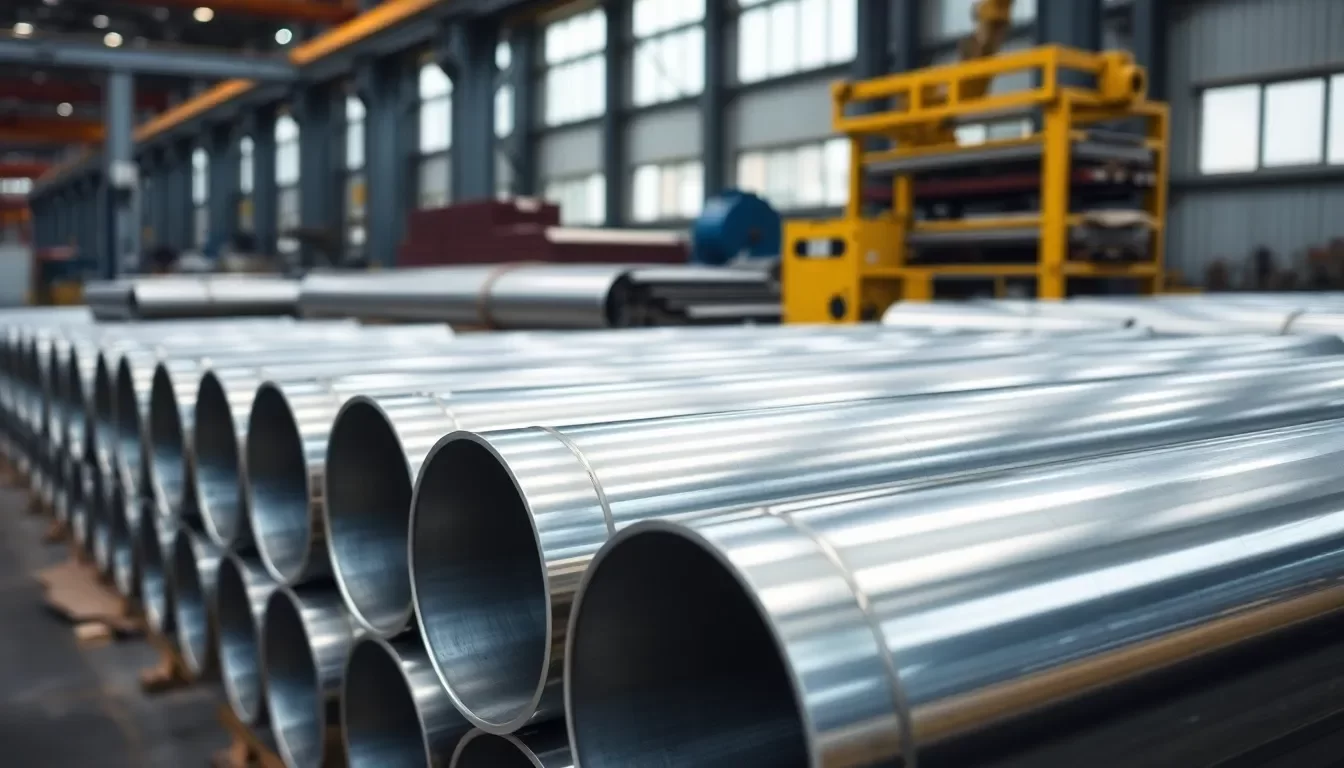
Our company specializes in delivering high-quality industrial piping solutions, offering a comprehensive range of products including flanges, steel pipes, three-way tees, elbows, and reducers. Designed to meet the demanding requirements of industries such as oil & gas, construction, water treatment, and mechanical engineering, our pipe fittings and piping components ensure reliable performance, durability, and precision.
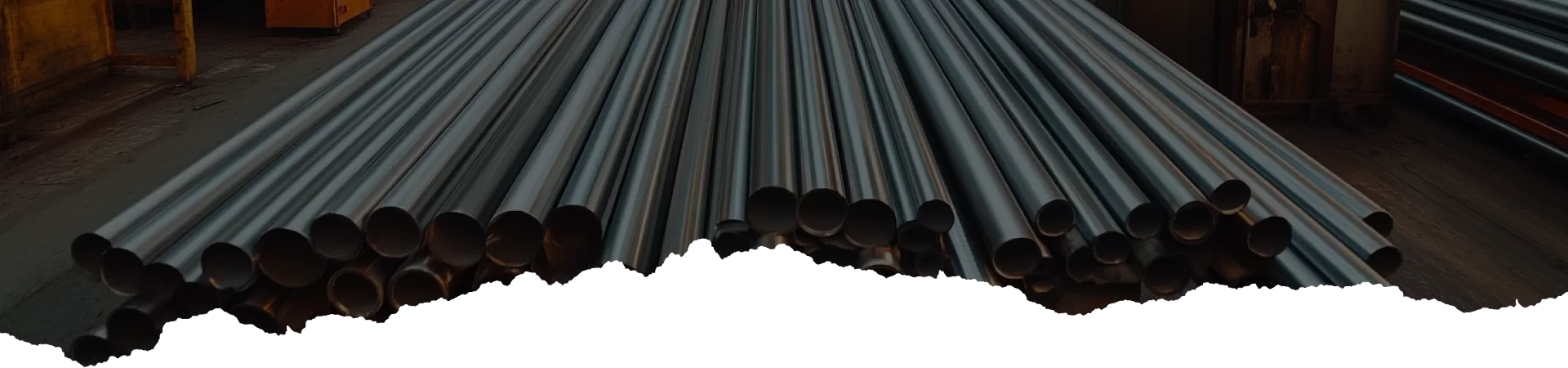
With a strong focus on manufacturing excellence and strict quality control, our products are available in various materials, sizes, and standards to suit diverse project needs. Whether you require seamless steel pipes for high-pressure applications or precision-engineered pipe fittings for complex pipeline systems, we provide customized solutions to enhance efficiency and safety.
As a trusted global supplier and exporter, we are committed to providing competitive pricing, consistent quality, and timely delivery. Our extensive experience in international markets allows us to support clients worldwide with professional service and tailored piping solutions. Explore our full range of pipe fittings and steel pipe products to find the ideal solution for your industrial applications.
Pipe fittings are essential components in any piping system, designed to connect, control, and direct the flow of fluids such as water, gas, oil, or chemicals. Understanding the most common types of pipe fittings and their uses is crucial for selecting the right components for industrial, commercial, or residential applications.
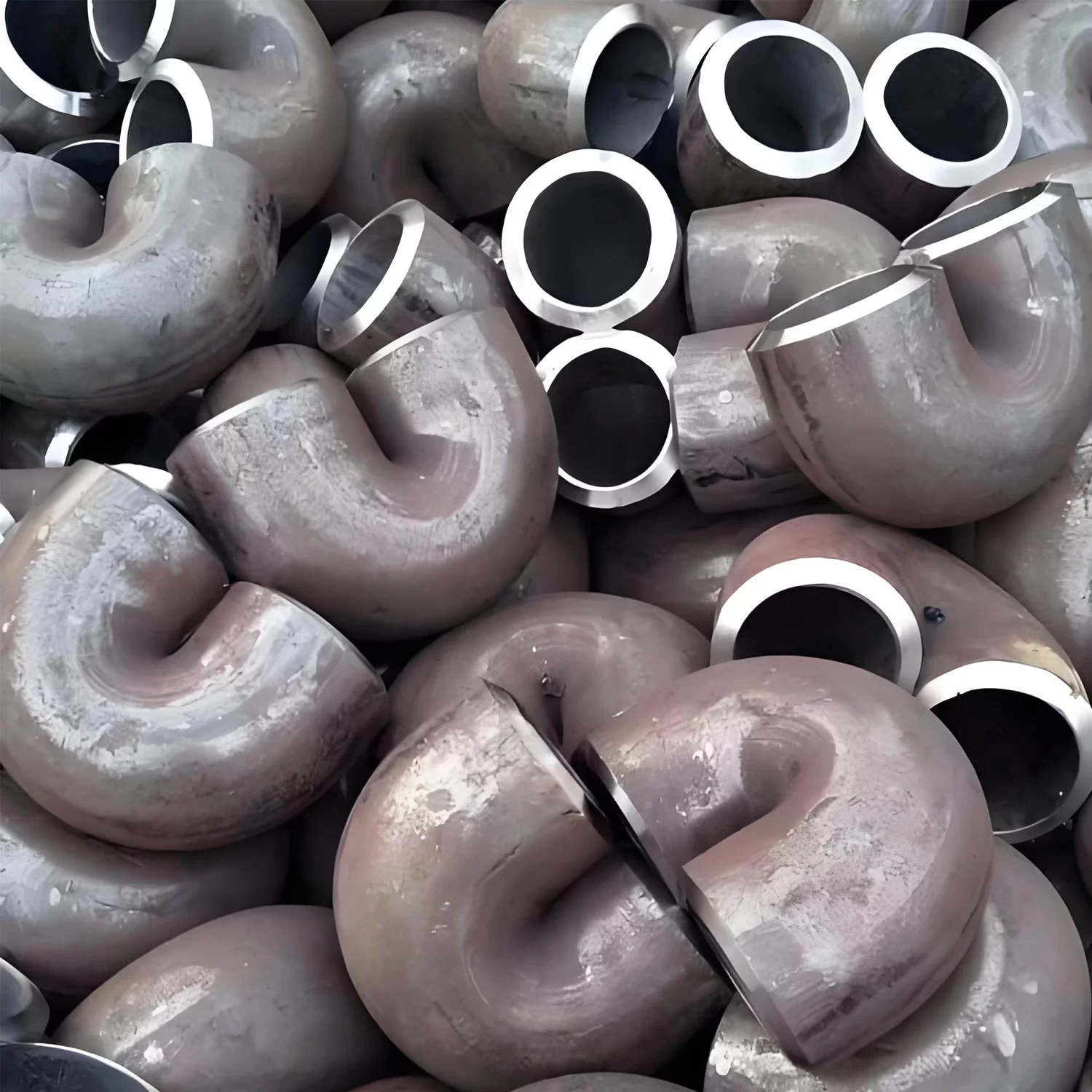
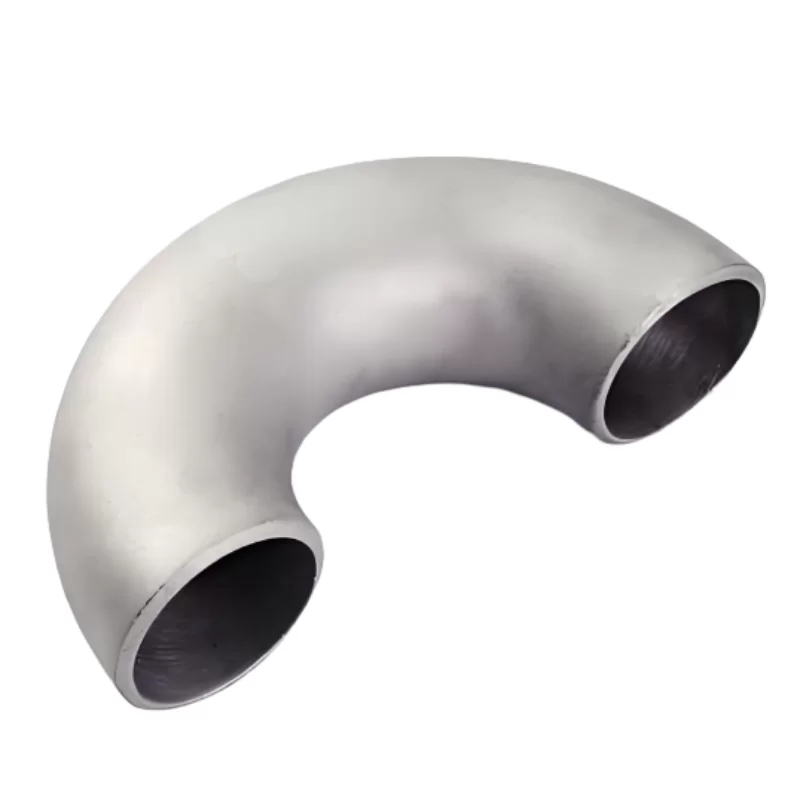
One of the most widely used pipe fittings is the elbow, which is primarily used to change the direction of flow within a piping system. Elbows are typically available in 45-degree and 90-degree angles and are commonly found in systems where space constraints or directional changes are required.
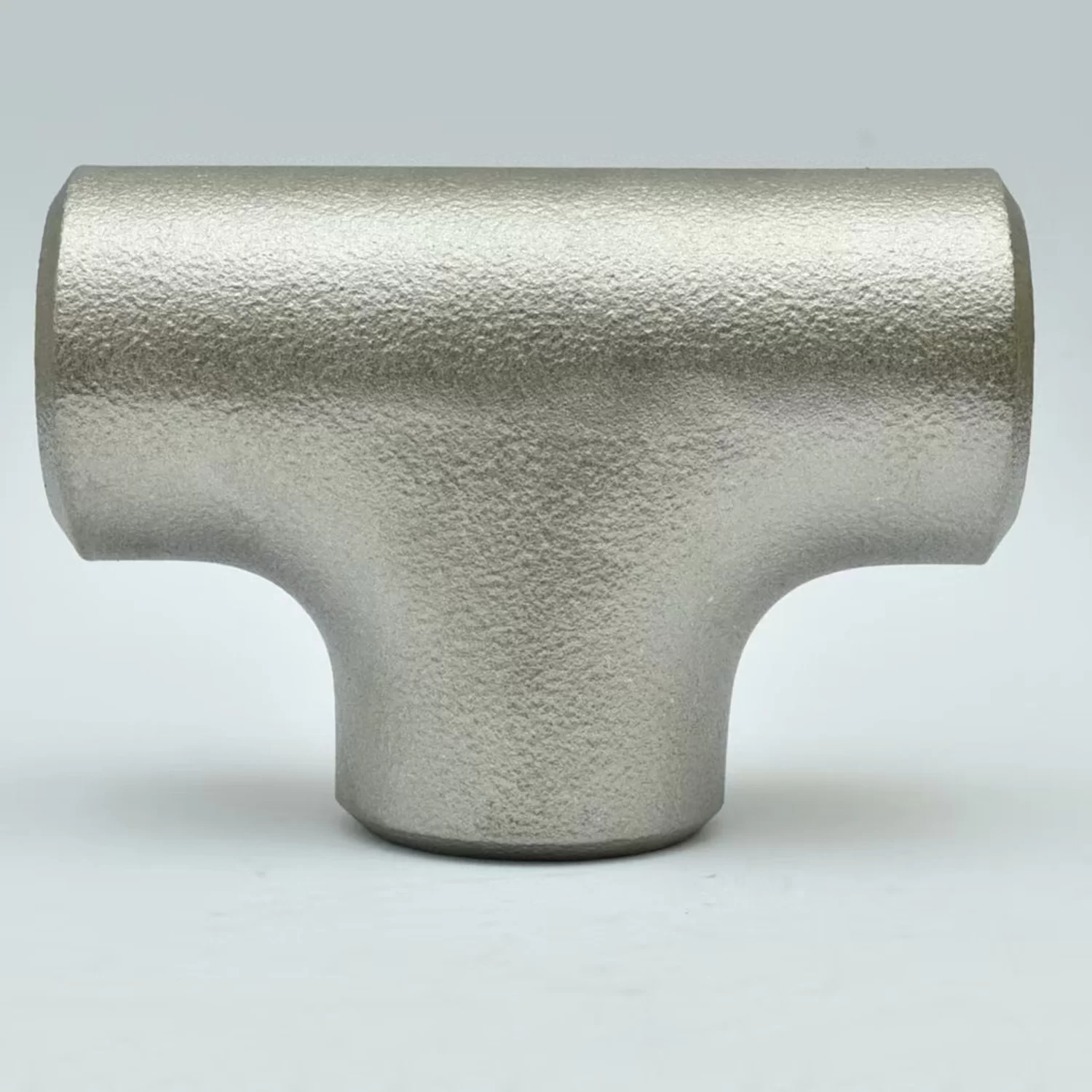
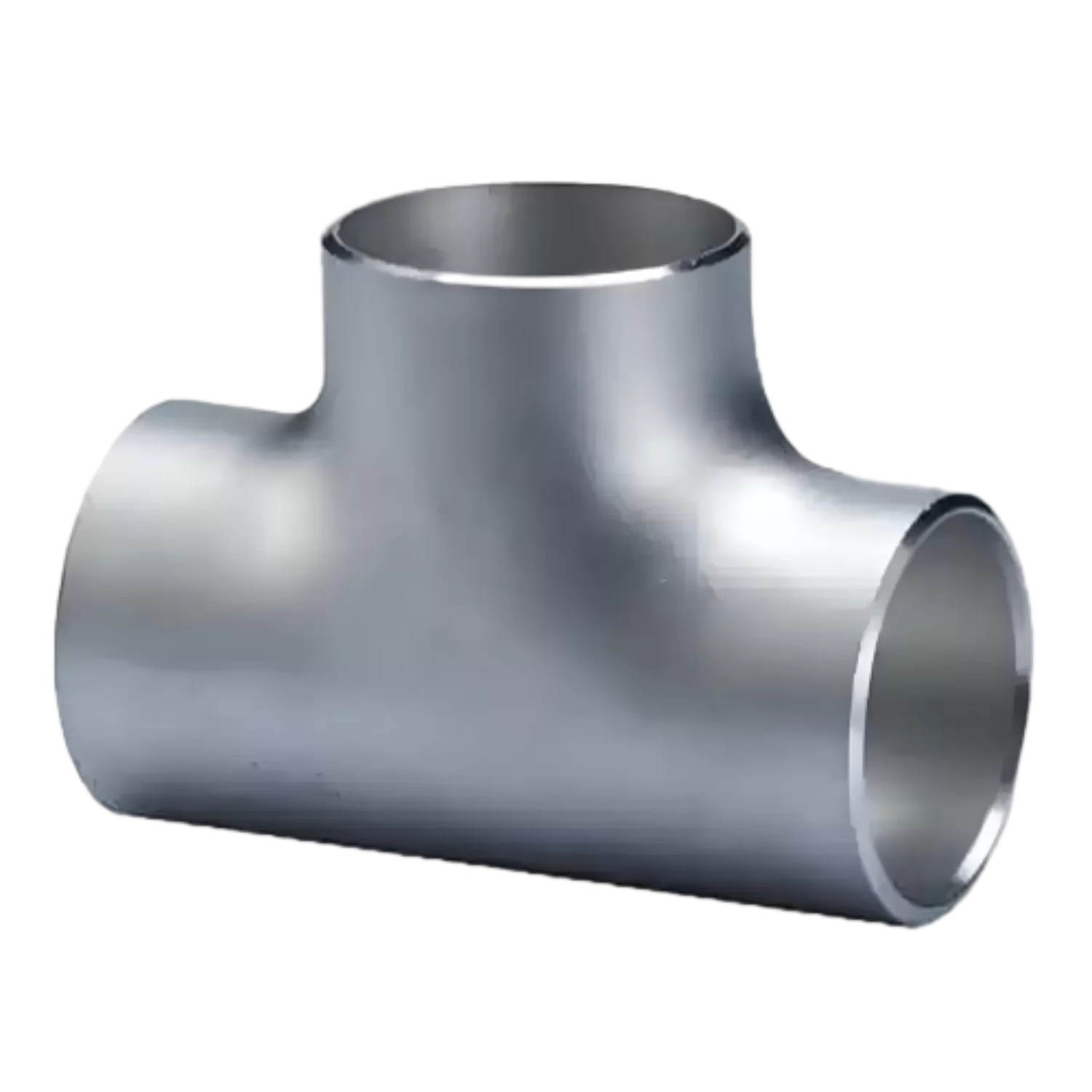
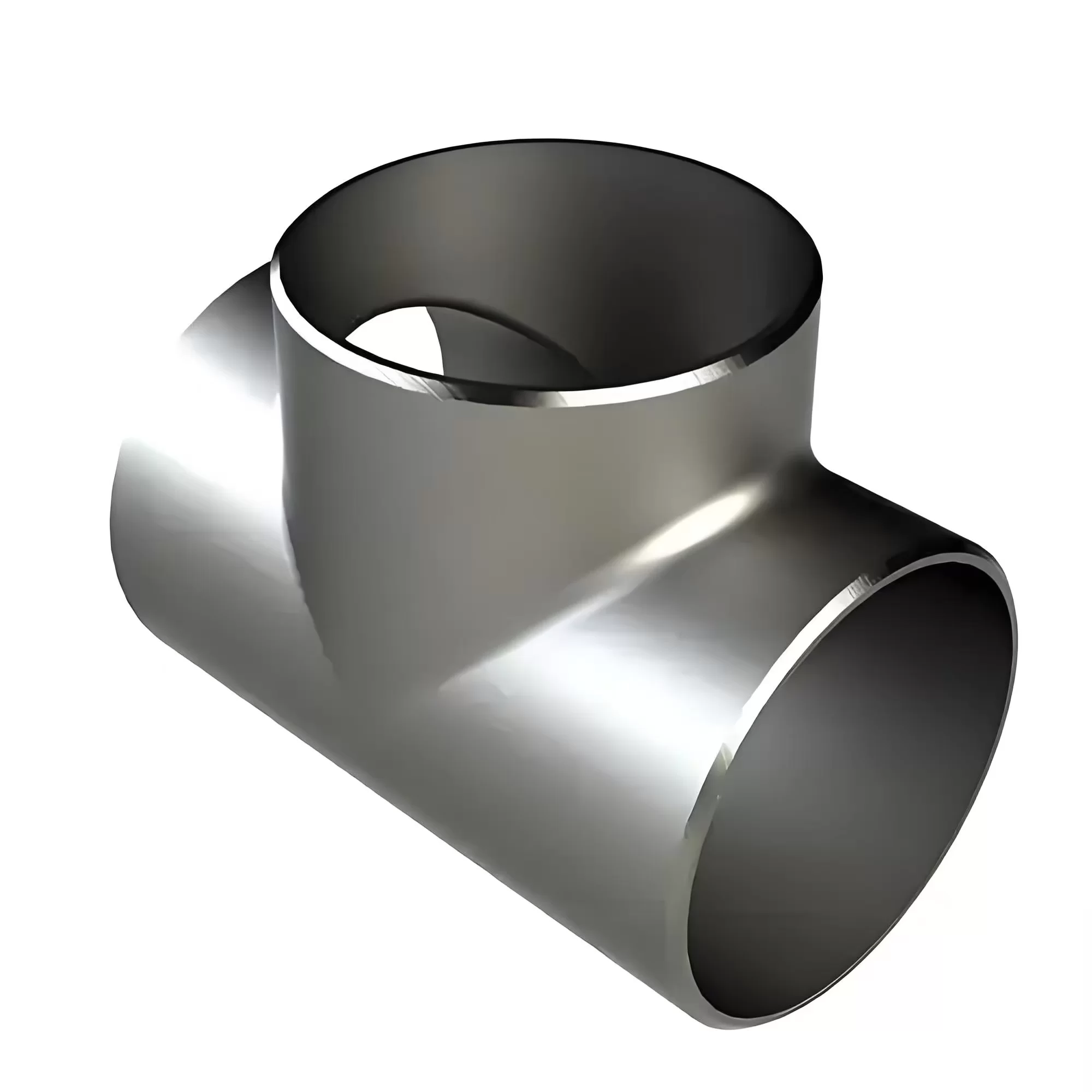
Another important fitting is the tee, also known as a three-way fitting. It is used to either combine or split fluid flow, allowing pipelines to branch off in different directions. Tees are widely used in water distribution systems, chemical processing, and HVAC installations.
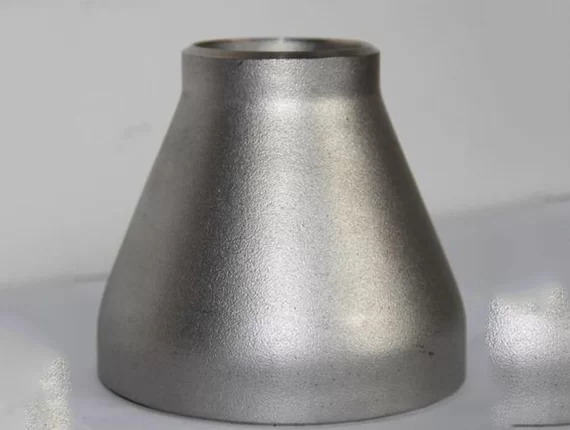
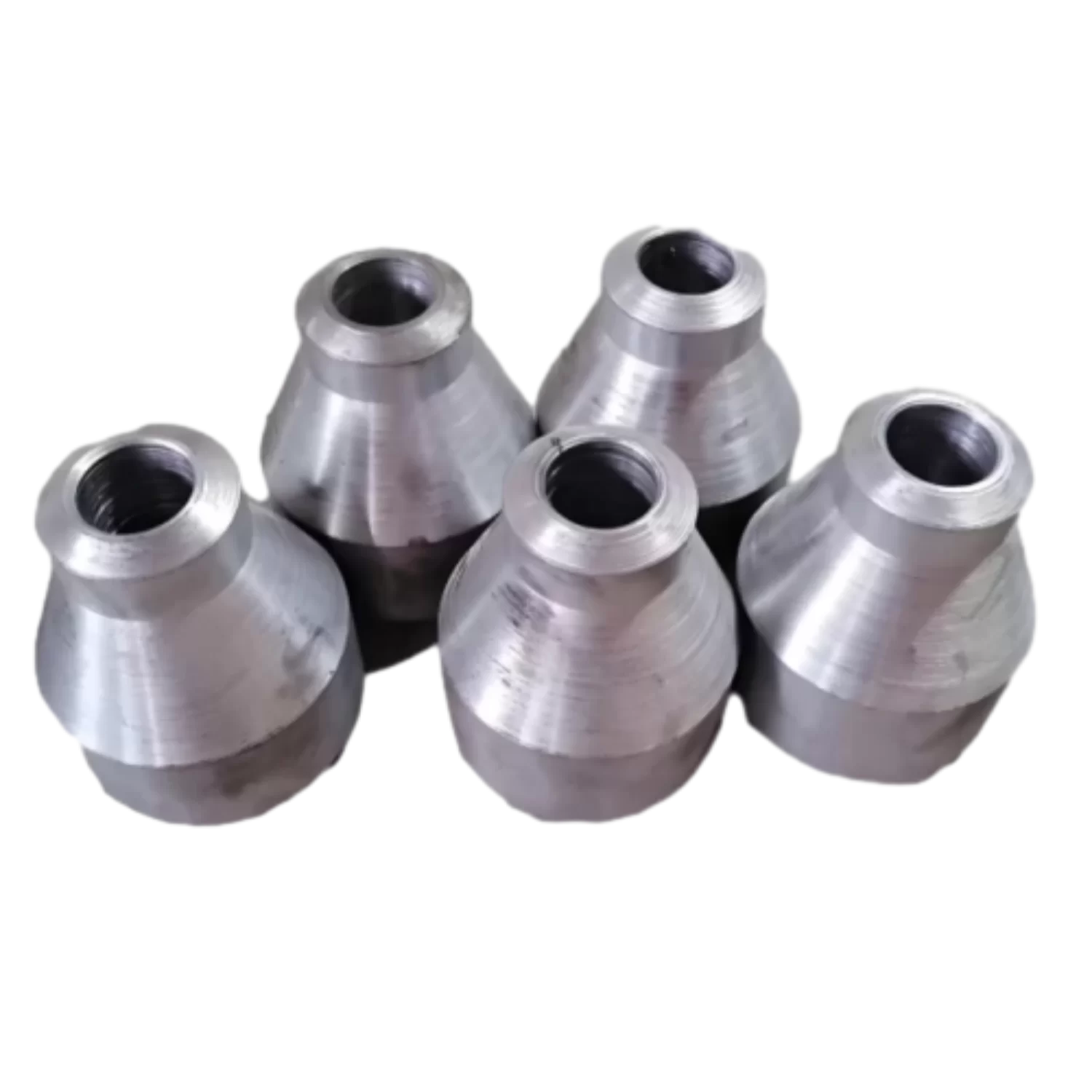
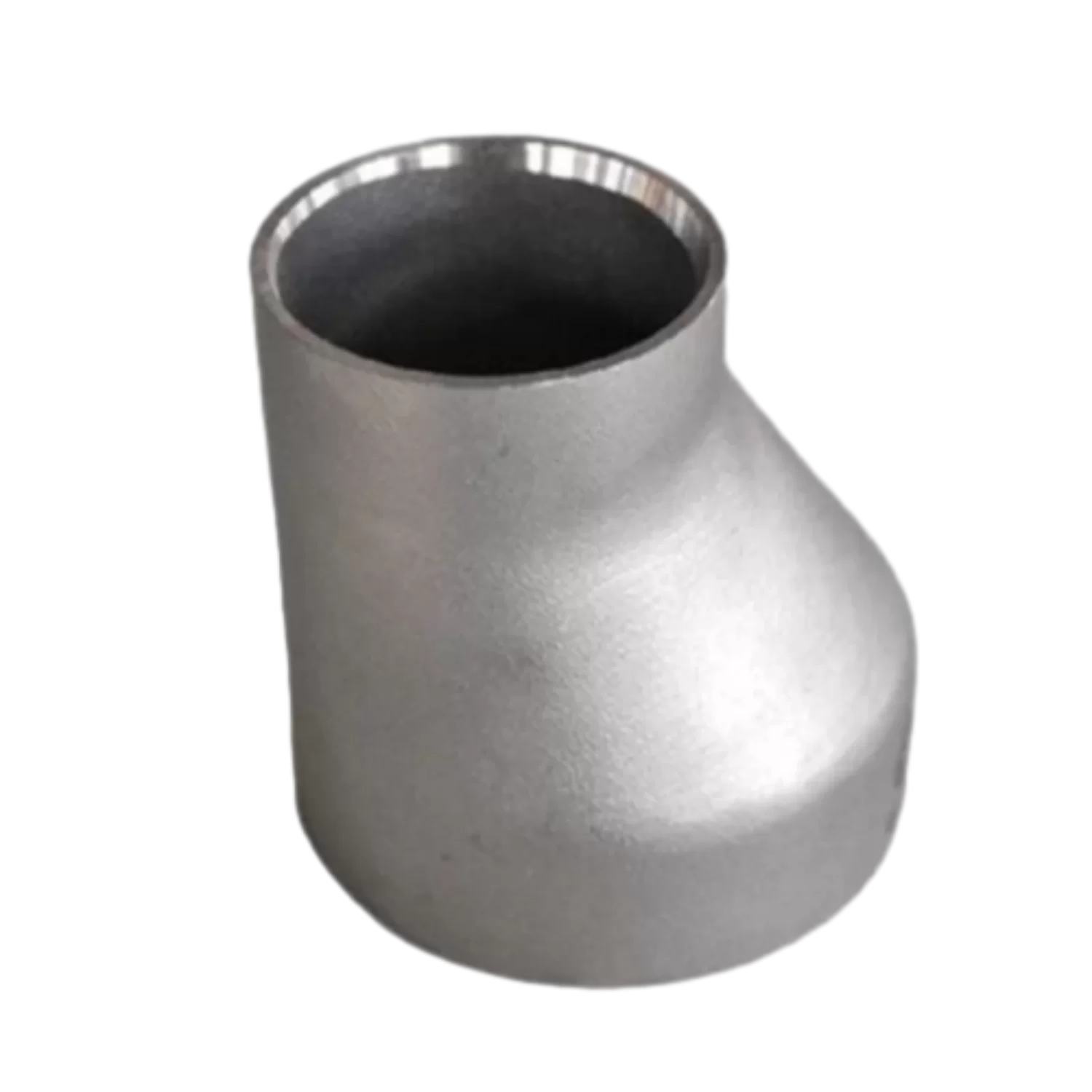
The reducer is used to connect pipes of different diameters, ensuring a smooth transition in flow and minimizing pressure loss. Reducers are especially important in systems where flow rates need to be controlled or adjusted. There are two main types: concentric reducers, which maintain a uniform centerline, and eccentric reducers, which are used to prevent air accumulation in horizontal pipelines.
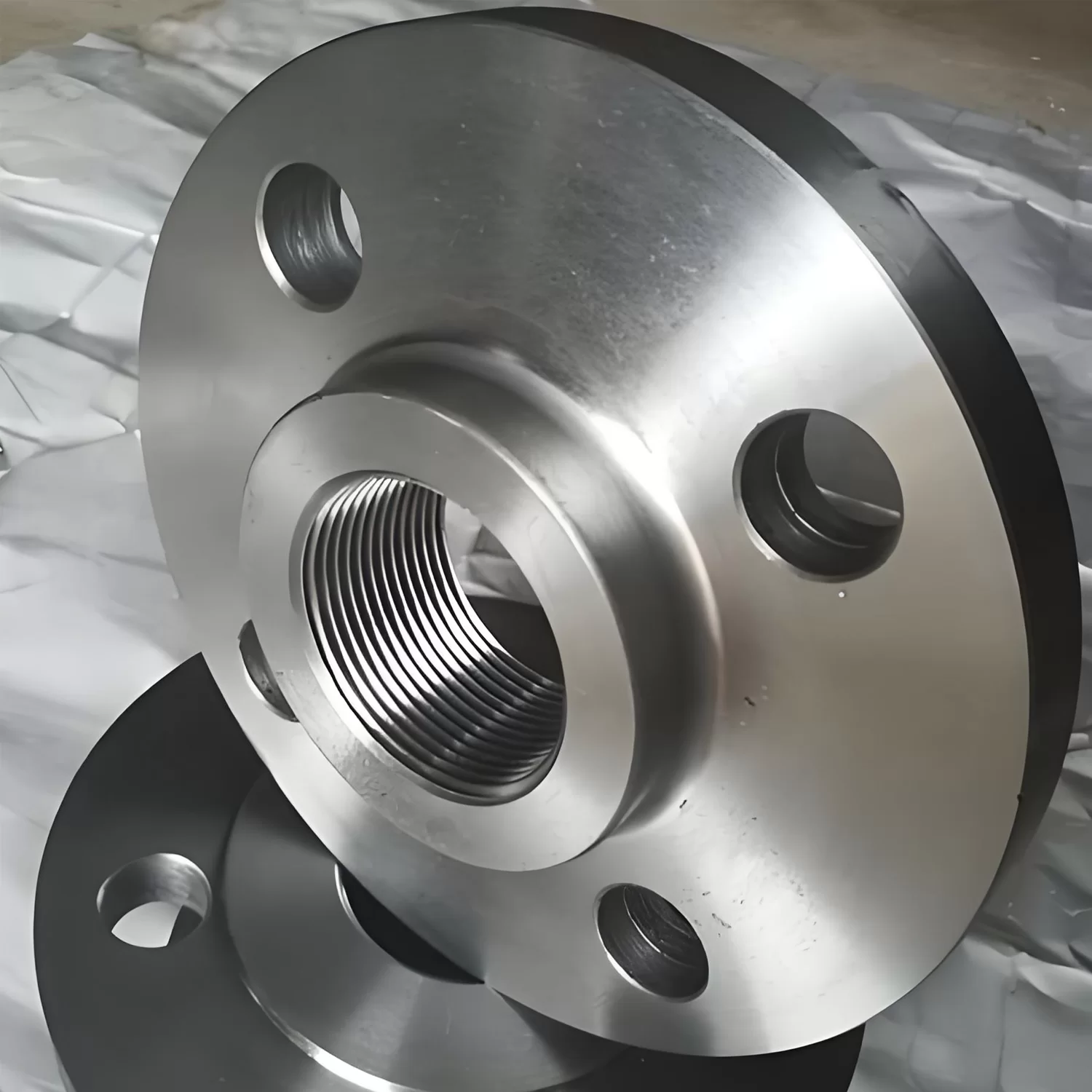
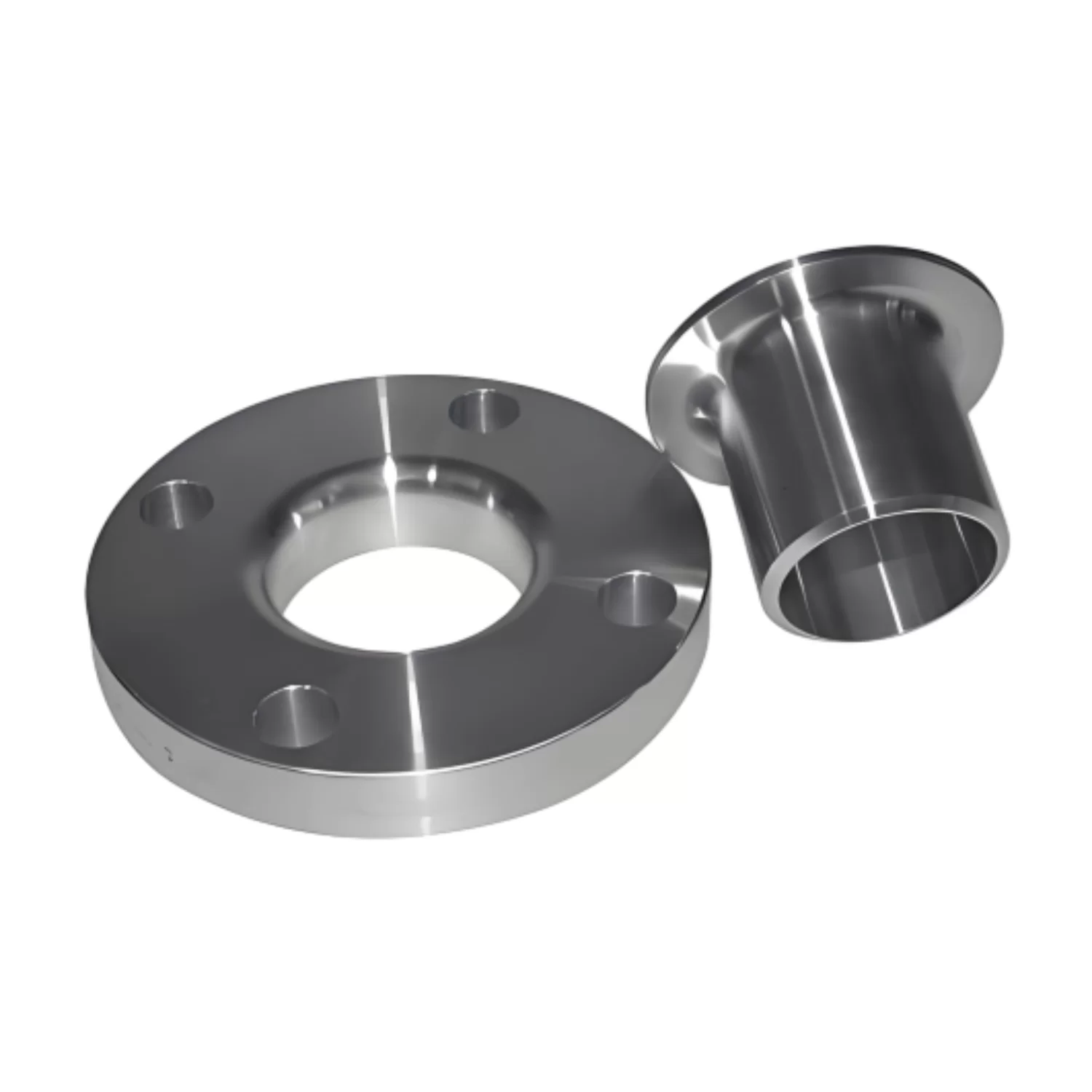
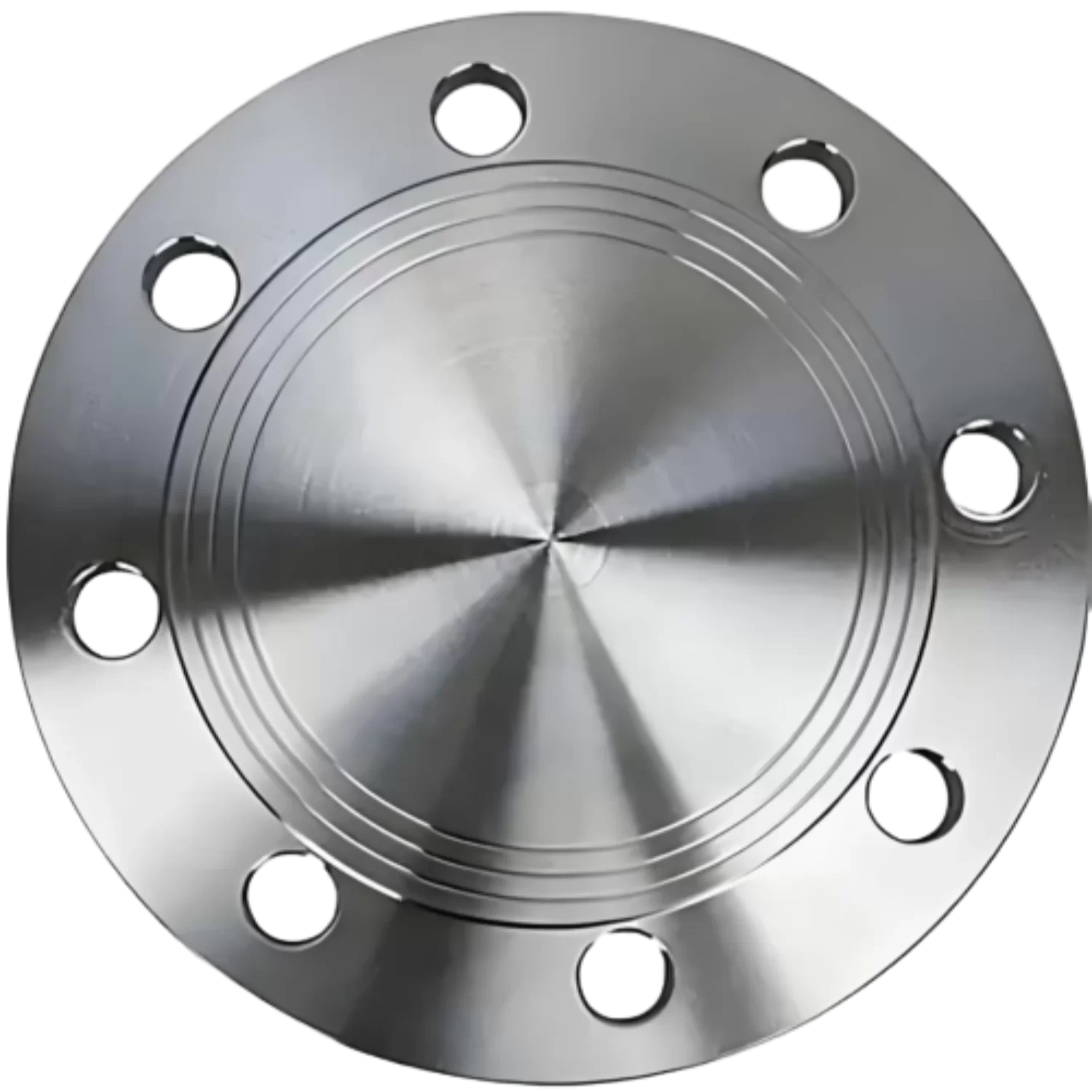
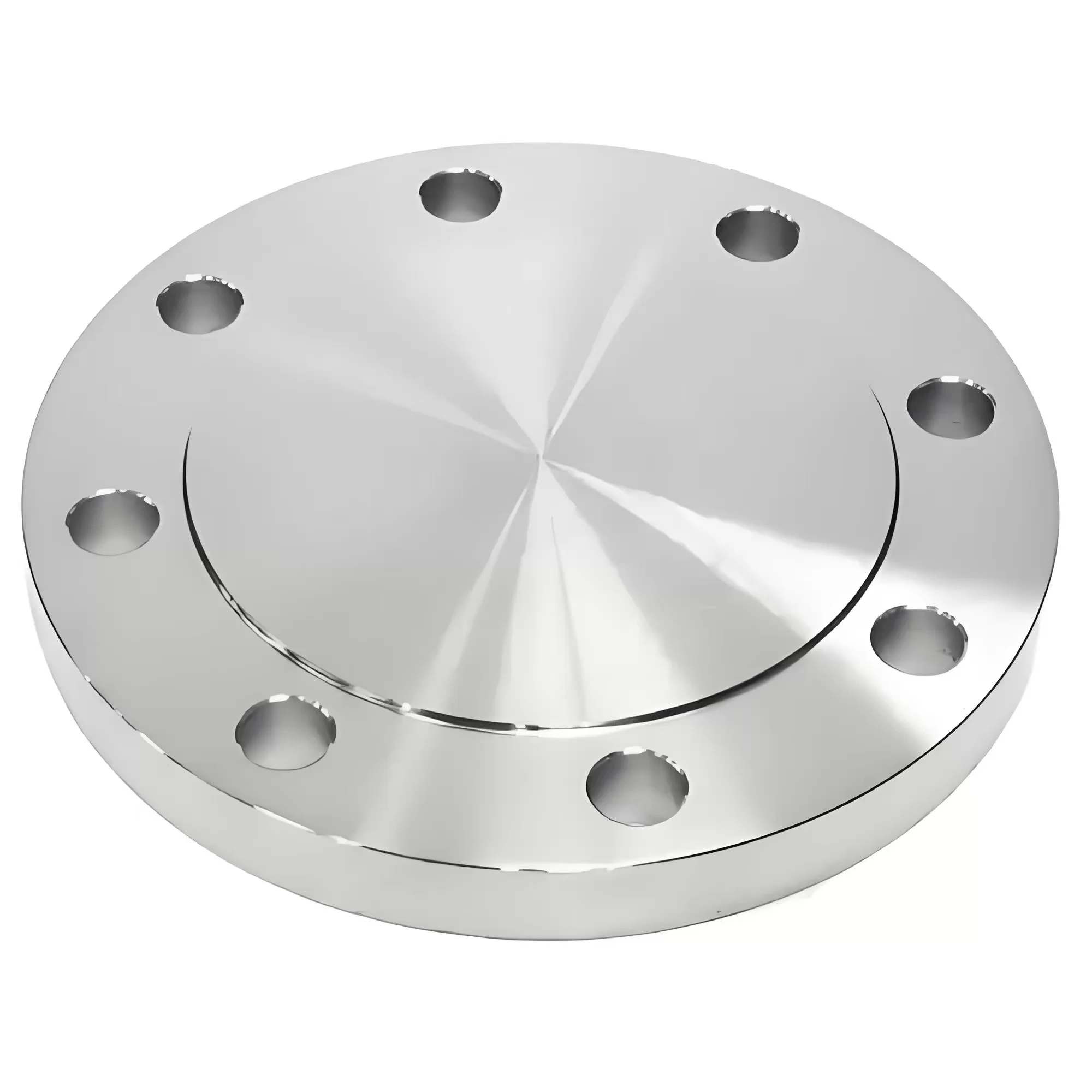
Flanges are another critical type of pipe fitting, used to connect pipes, valves, pumps, and other equipment. They provide easy access for maintenance, cleaning, and inspection. Flanged connections are common in high-pressure and industrial systems due to their strength and reliability.
In addition to these, couplings and unions are used to connect two pipes together. While couplings provide a permanent or semi-permanent connection, unions allow for easy disassembly, making them ideal for systems that require frequent maintenance.
Overall, each type of pipe fitting serves a specific purpose in ensuring the efficiency, safety, and reliability of a piping system. Selecting the correct fittings based on application requirements, material compatibility, and pressure conditions is essential for optimal system performance.
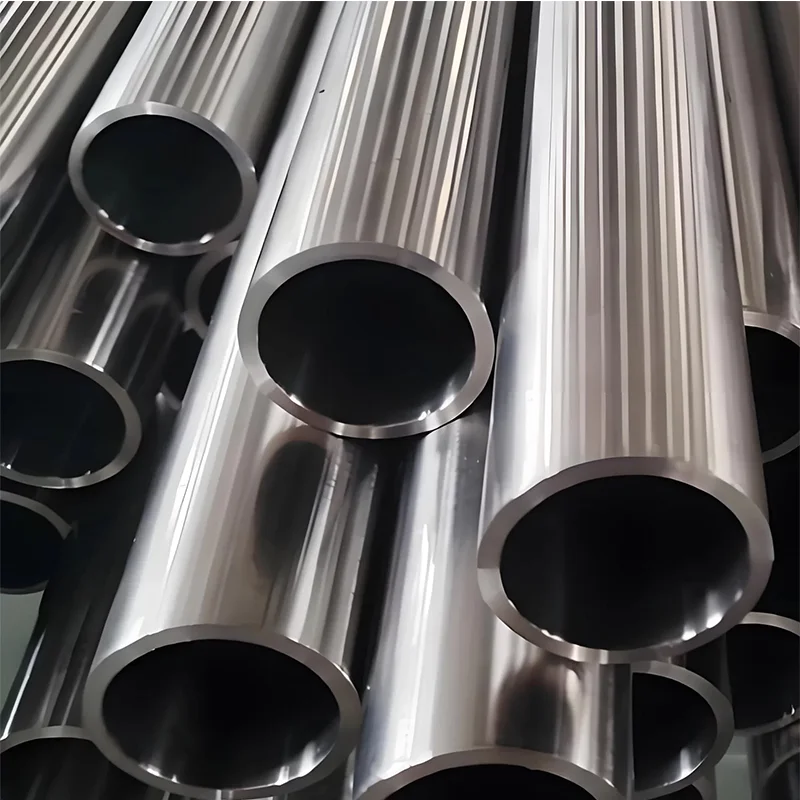
Selecting high quality pipe fittings is a key step in building safe, efficient, and long-lasting piping systems. For industrial and commercial projects, components such as flanges, steel pipes, elbows, tees, and reducers must meet strict performance standards to ensure reliable connections, pressure resistance, and smooth flow control.
As an experienced pipe fittings manufacturer and supplier from China, we offer a complete range of industrial pipe fittings designed for oil & gas, water treatment, construction, fire protection, and HVAC systems. Our products are available in carbon steel, stainless steel, and alloy steel, and comply with international standards such as ANSI, ASTM, DIN, and JIS.
We support global buyers with wholesale pipe fittings, OEM & ODM customization, and competitive pricing. Whether you are sourcing seamless steel pipes, butt weld fittings, or forged flanges, we provide dependable solutions with consistent quality and fast delivery.
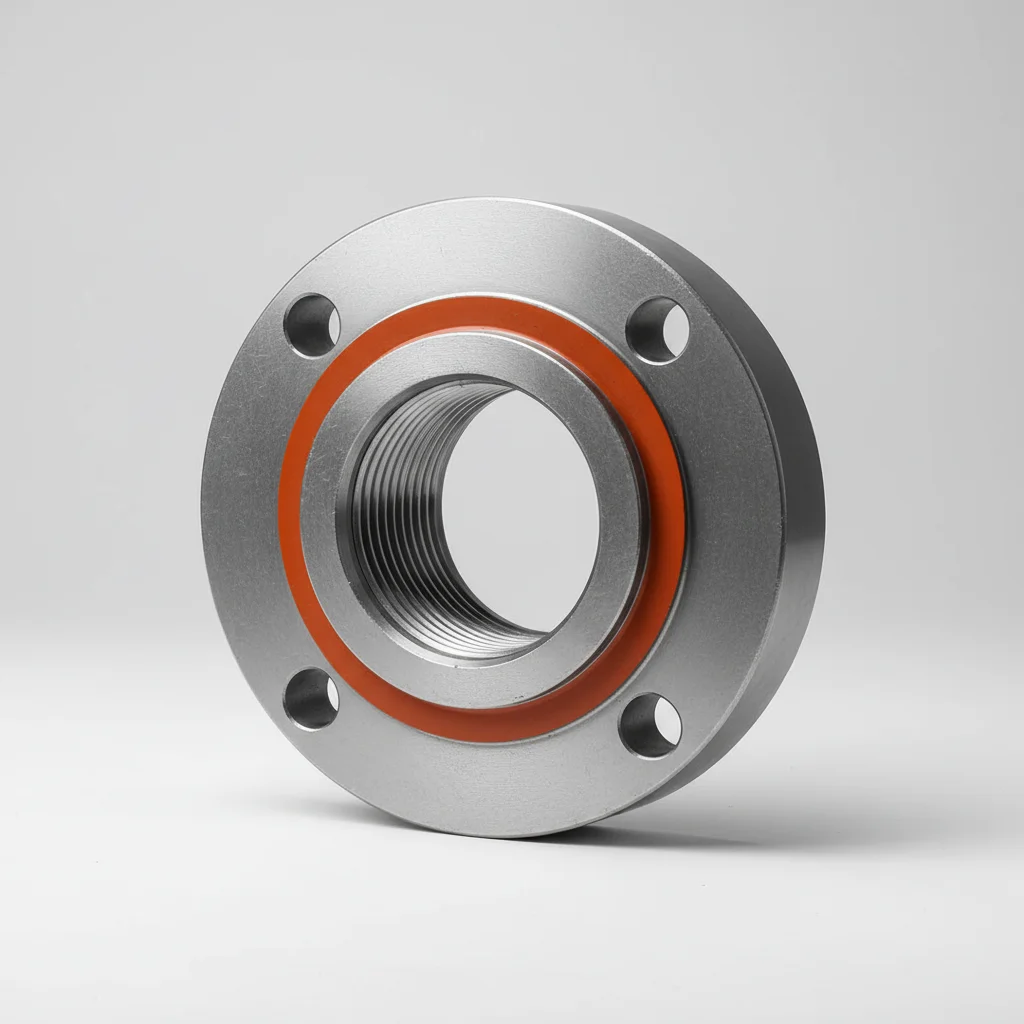
Apr 09,26
Industrial Guide to 6 inch threaded flange and Piping Applications
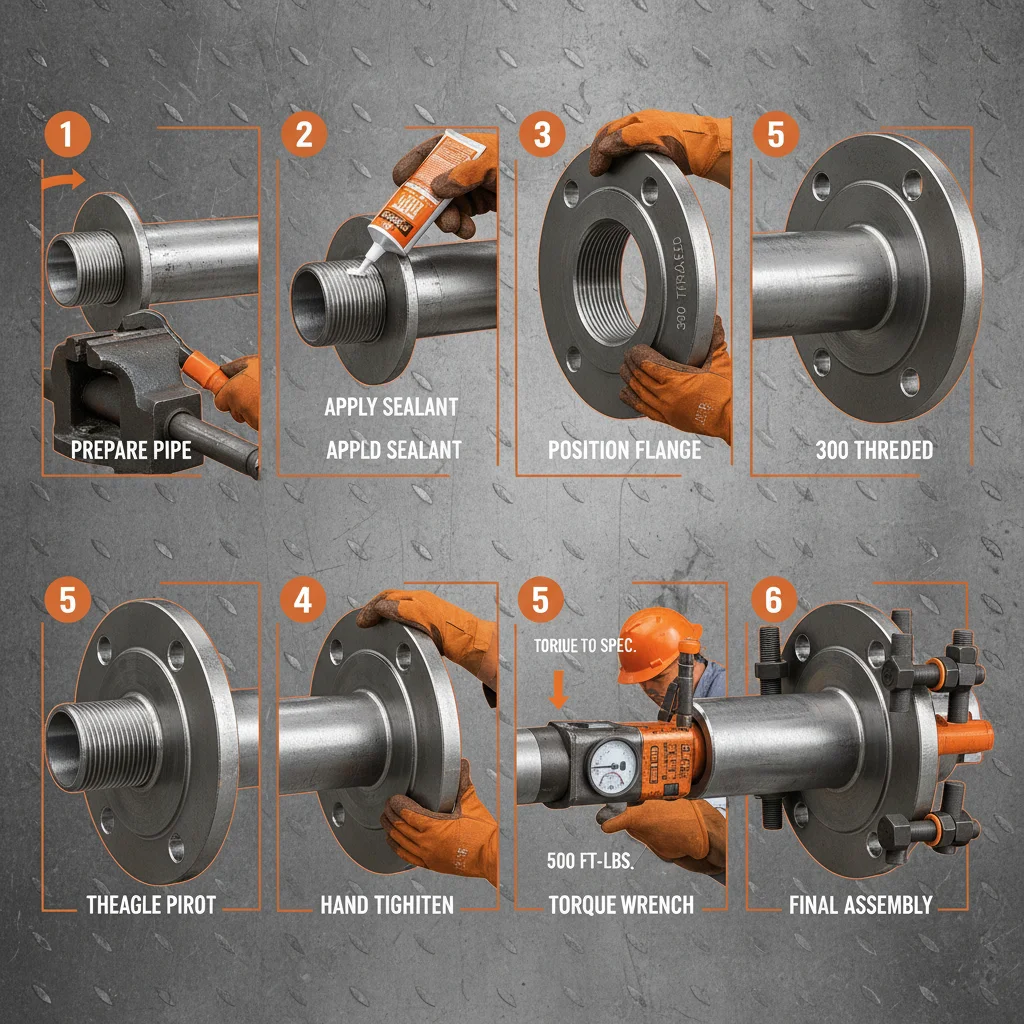
Apr 04,26
Understanding 300 Threaded Flanges for Global Piping System Applications
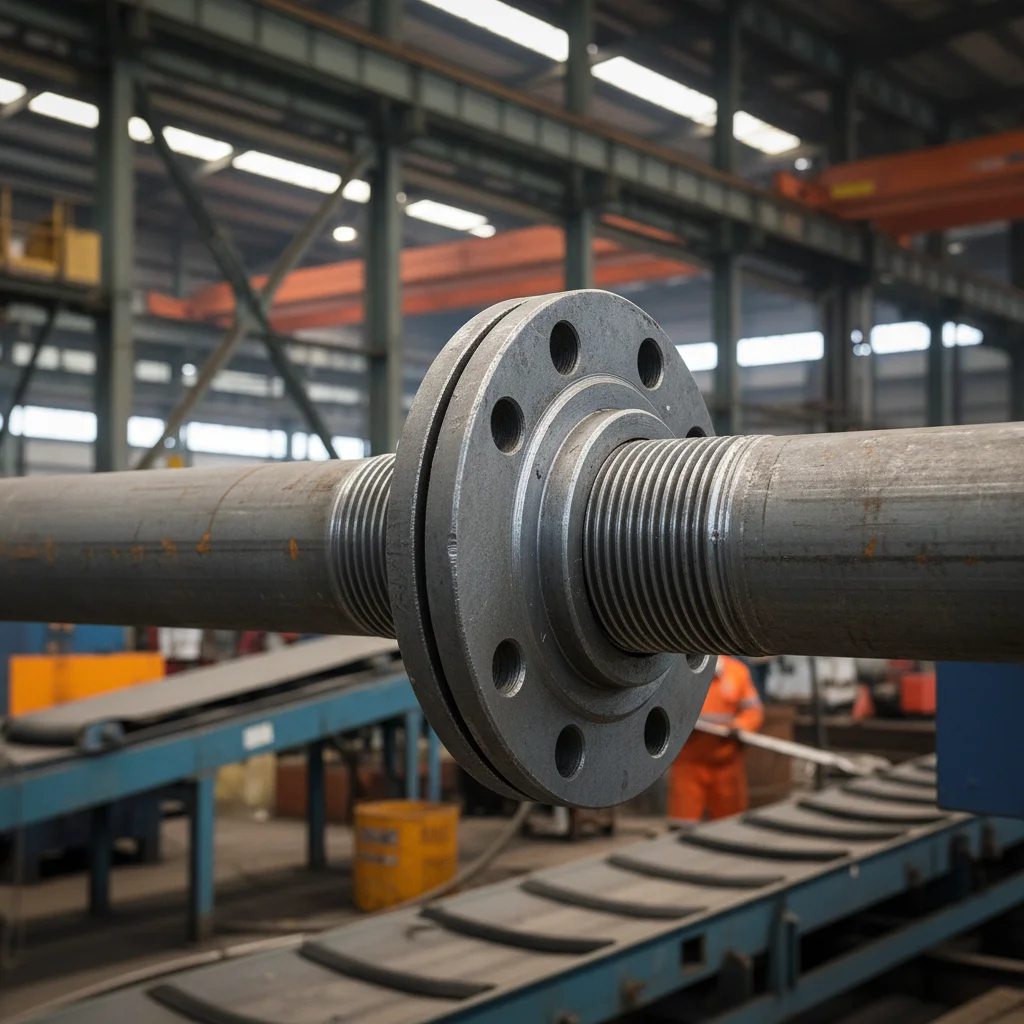
Apr 06,26
Understanding the Critical Role of the 6 inch Threaded Flange in Industrial Applications
Dec 02,25
Corrosion-Resistant Flanges For Chemical And Marine Industries
Flanges are indispensable components in piping systems, serving as the critical junctions that allow for connections, maintenance, and isolation of flow.
Dec 02,25
The Core Role Of The Tee In Pipeline Systems
In the complex architecture of modern pipeline systems—spanning petrochemical plants, municipal waterworks, HVAC networks, and power generation facilities—the tee fitting is arguably one of the most critical and universally employed components.
Apr 07,26
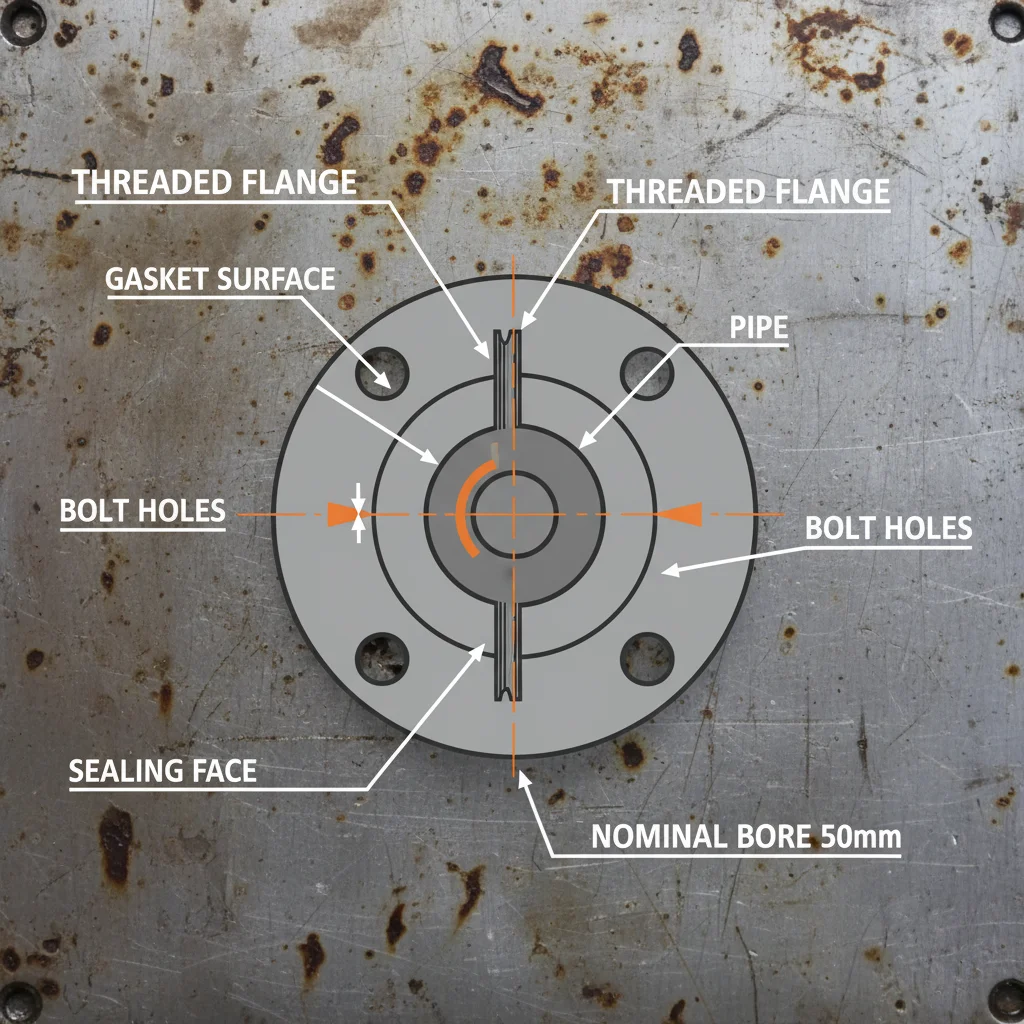
Understanding 50mm Threaded Flange Specifications for Global Commerce
SUBSCRIBE NEWSLETTER