Apr. 09, 2026
In the world of industrial piping and fluid transport, the integrity of a connection can determine the safety and efficiency of an entire system. The 6 inch threaded flange serves as a critical component, providing a secure, leak-proof joint for pipes of a substantial diameter. Whether you are dealing with water treatment, oil and gas, or chemical processing, understanding the specifications and applications of these flanges is essential for any engineer or procurement specialist. This guide will explore everything from material selection to installation best practices to ensure your piping system operates at peak performance.
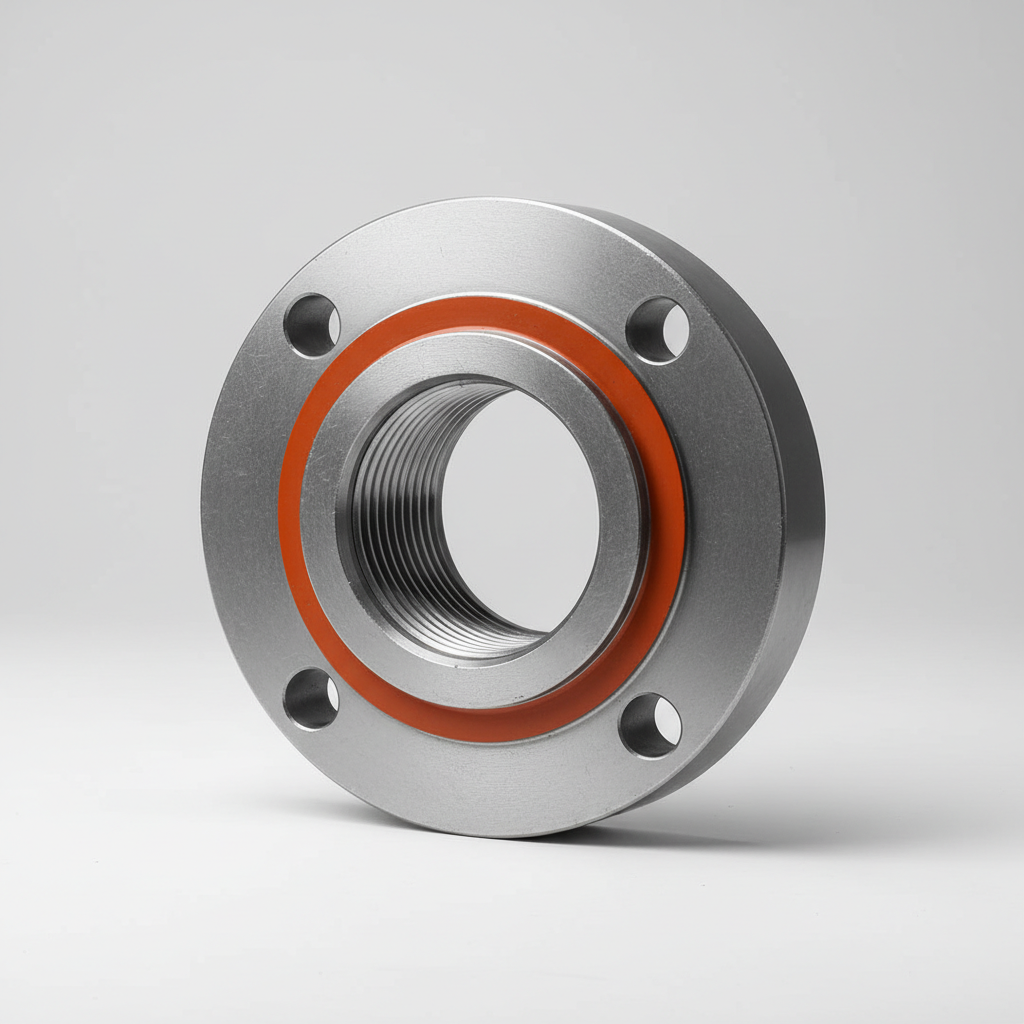
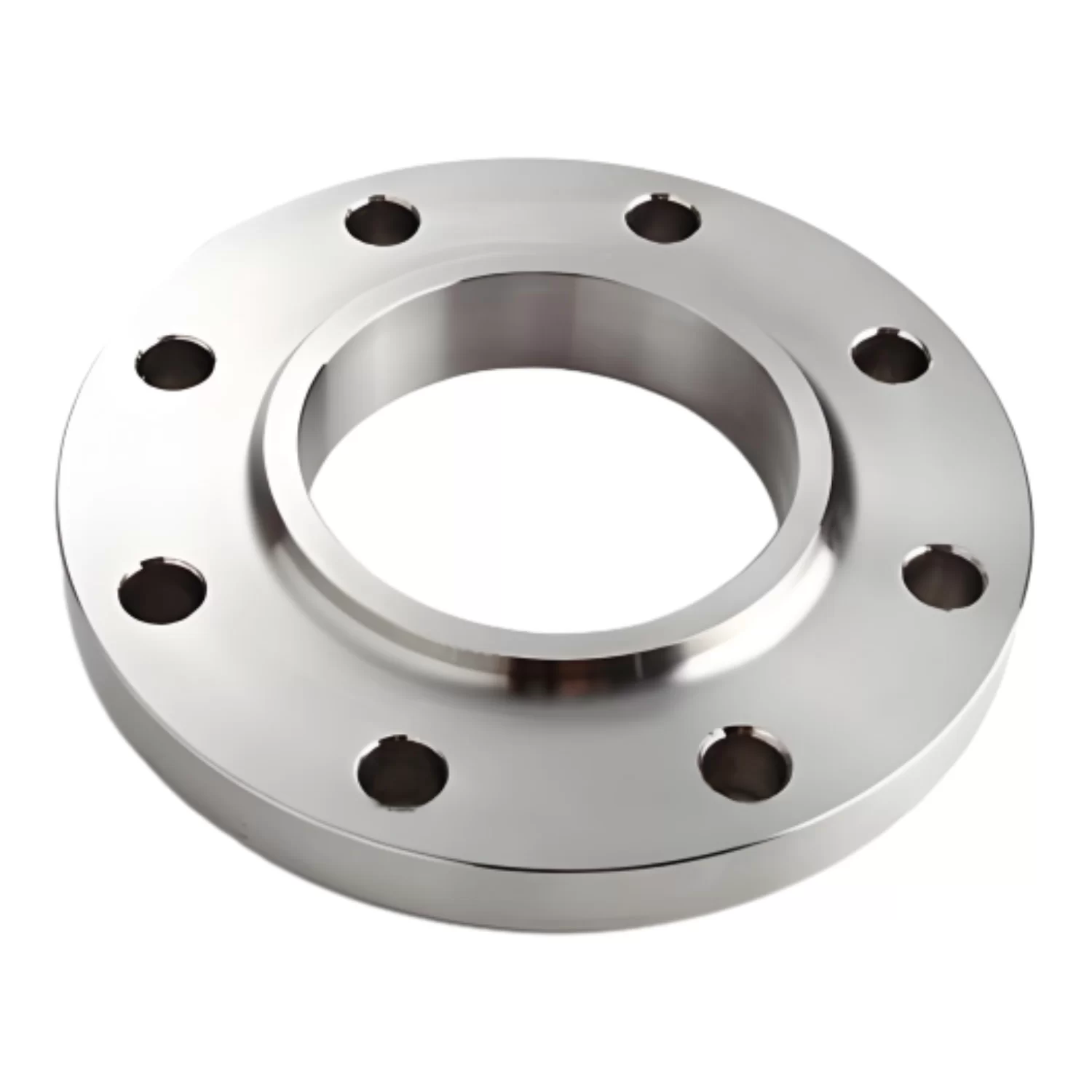
A 6 inch threaded flange is a circular connector designed to join a 6-inch pipe to another pipe, valve, or pump using screw threads. Unlike weld-neck flanges that require high-heat fusion, threaded flanges allow for a mechanical connection that is significantly faster to install and easier to disassemble for maintenance. These components are typically machined from forged steel, stainless steel, or ductile iron, ensuring they can withstand the internal pressures of the medium they transport. The internal threading is precision-cut to match standard NPT or BSPT specifications, ensuring a tight seal when paired with the correct piping.
Pro Tip: Threaded flanges are ideal for systems where frequent cleaning or equipment replacement is required, as they eliminate the need for cutting and re-welding pipes.
Choosing the right material for your 6 inch threaded flange depends entirely on the chemicals being transported and the environmental conditions. For standard water lines, carbon steel is often sufficient due to its strength and cost-effectiveness. However, in corrosive environments, such as marine or pharmaceutical plants, stainless steel (304 or 316) is the gold standard. Some specialized applications may even require alloy steels to handle extreme temperatures or high-pressure steam. Selecting the wrong material can lead to premature oxidation, pitting, and ultimately, catastrophic system failure.
Common Material Comparisons:
• Carbon Steel: High strength, budget-friendly, best for non-corrosive fluids.
• Stainless Steel 316: Superior corrosion resistance, ideal for saltwater and chemicals.
• Alloy Steel: Designed for extreme heat and high-pressure industrial steam.
Precision is everything when it comes to piping. A 6 inch threaded flange must adhere to global standards such as ASME B16.5 or DIN to ensure interoperability across different manufacturers' parts. The key specifications include the nominal pipe size (NPS), the pressure class (e.g., Class 150, 300), and the thread type. Below is a detailed specification table highlighting the common standards for these components.
When designing a piping layout, the debate between a 6 inch threaded flange and a welded flange often comes down to the balance between installation speed and long-term pressure stability. Threaded flanges are the clear winner for low-to-medium pressure systems and environments where the system must be dismantled often. Welded flanges, conversely, provide a permanent, higher-strength bond that is essential for high-vibration environments. However, the labor cost and time required for welding make threaded options far more attractive for general commercial construction and utility lines.
To prevent leaks and ensure the longevity of a 6 inch threaded flange, precise installation is mandatory. First, ensure that all threads are clean and free of debris. The use of high-quality thread sealant or PTFE tape is critical to fill the microscopic gaps in the tapered threads. When tightening the flange bolts, always use a "star pattern" sequence to distribute pressure evenly across the gasket. Over-tightening can warp the flange face, while under-tightening will lead to drips. Regular torque checks are recommended, especially in systems subject to thermal expansion and contraction.
The utility of the 6 inch threaded flange spans numerous sectors. In HVAC systems, these flanges connect large chillers and boilers to the main distribution lines. In the food and beverage industry, stainless steel threaded flanges are used for milk or juice transport lines, allowing for easy disassembly for sanitary cleaning. Additionally, they are widely used in firefighting systems to connect main water risers to outlet valves. The ability to quickly replace a damaged section of pipe without cutting into the main line makes the threaded flange an indispensable tool for maintenance crews worldwide.
Selecting the right 6 inch threaded flange is more than just a matter of size; it is about choosing the correct material, pressure rating, and installation method to match your operational needs. By prioritizing quality components from trusted suppliers like Weihuan Tube, you can minimize downtime, reduce maintenance costs, and ensure the safety of your industrial infrastructure. Whether for a new installation or a system upgrade, the threaded flange remains a versatile and efficient choice for modern piping.
Preventing leaks starts with the threads. Always use a high-quality thread sealant or PTFE (Teflon) tape to ensure a tight seal between the male and female threads. Additionally, ensure that the gasket between the two flange faces is the correct material for the fluid being transported and is not damaged. Finally, use a calibrated torque wrench to tighten bolts in a cross-pattern, which prevents the flange from tilting and creating a gap where leaks can occur.
While threaded flanges can be used for steam, they are generally not recommended for very high-pressure steam applications compared to weld-neck flanges. Threaded joints are more susceptible to leaking under extreme thermal cycling (expansion and contraction). If you must use one, ensure you select a high pressure class (such as Class 300 or 600) and use a material like alloy steel that can withstand high temperatures without losing structural integrity. Always consult a certified engineer for high-pressure steam designs.
NPT (National Pipe Tapered) is the standard primarily used in North America, while BSPT (British Standard Pipe Tapered) is common in Europe and Asia. Although both are tapered to create a seal, the thread angle and pitch differ—NPT has a 60-degree thread angle, whereas BSPT has a 55-degree angle. They are not compatible. Attempting to force an NPT pipe into a BSPT flange will strip the threads and cause immediate leaks. Always verify the regional standard of your piping before ordering your 6 inch threaded flange.
Inspection intervals depend on the medium and environment. For critical industrial systems, a quarterly visual inspection is recommended to check for "weeping" or moisture around the threads and gasket. In high-vibration environments, bolts should be checked for tightness every 1-3 months. If the system carries corrosive chemicals, the flange exterior should be inspected for signs of pitting or rust, which could indicate that the material is degrading and the flange needs to be replaced to avoid failure.
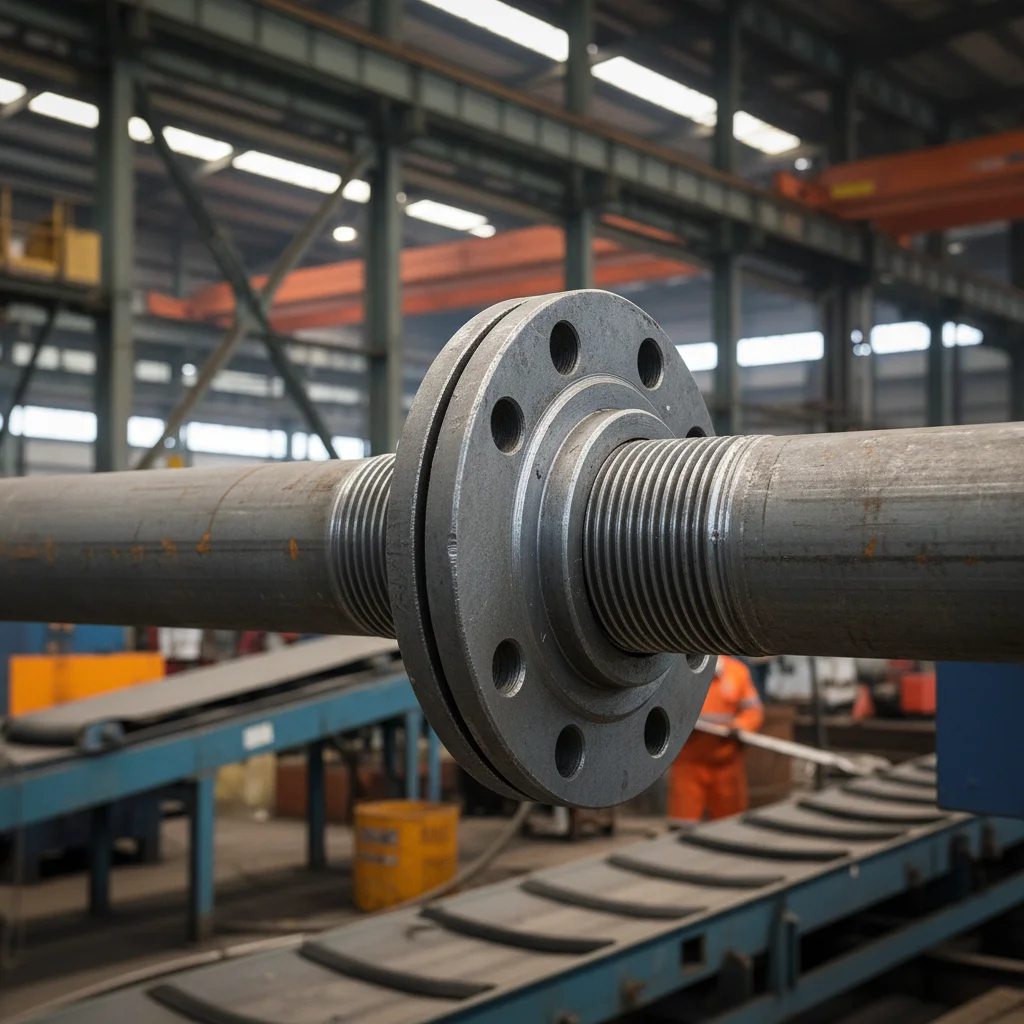
Apr 06,26
Understanding the Critical Role of the 6 inch Threaded Flange in Industrial Applications
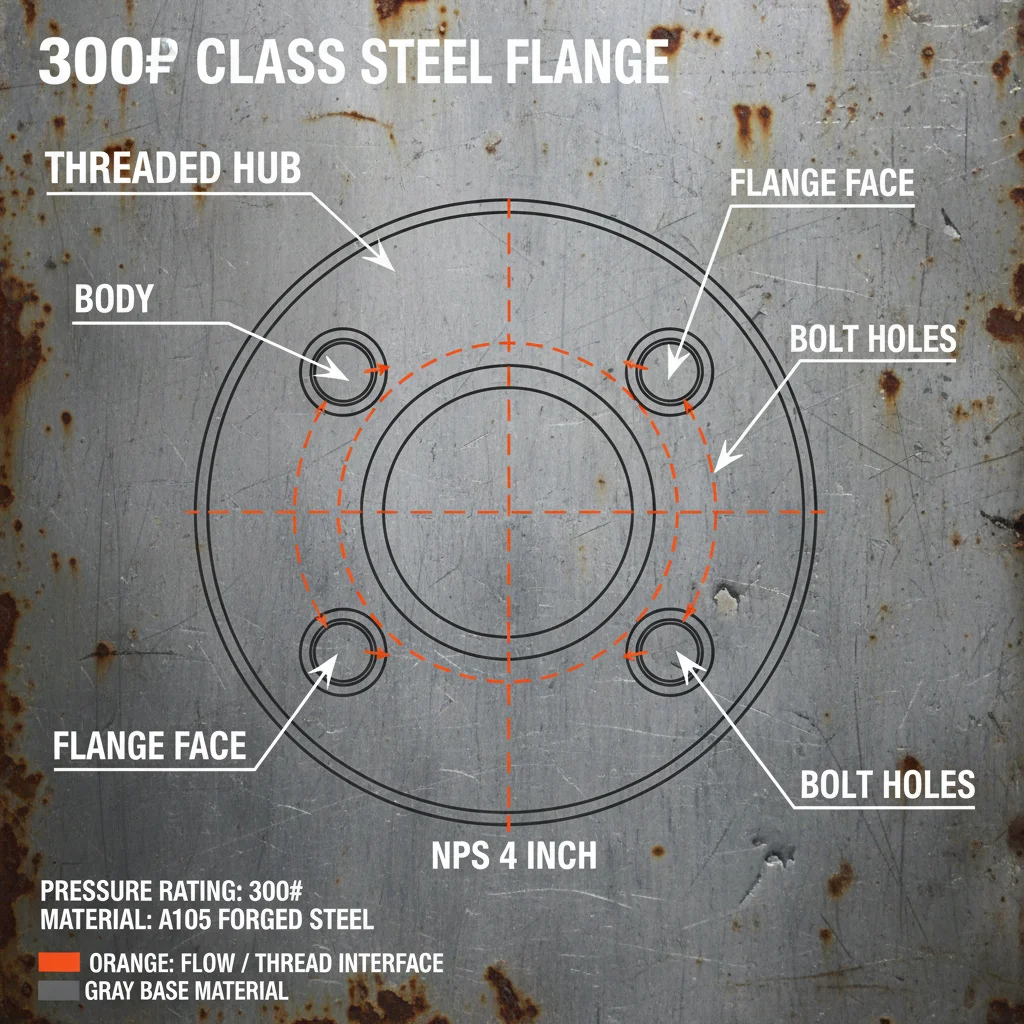
Mar 30,26
The Essential Guide to 300 Threaded Flange Selection and Reliable Performance
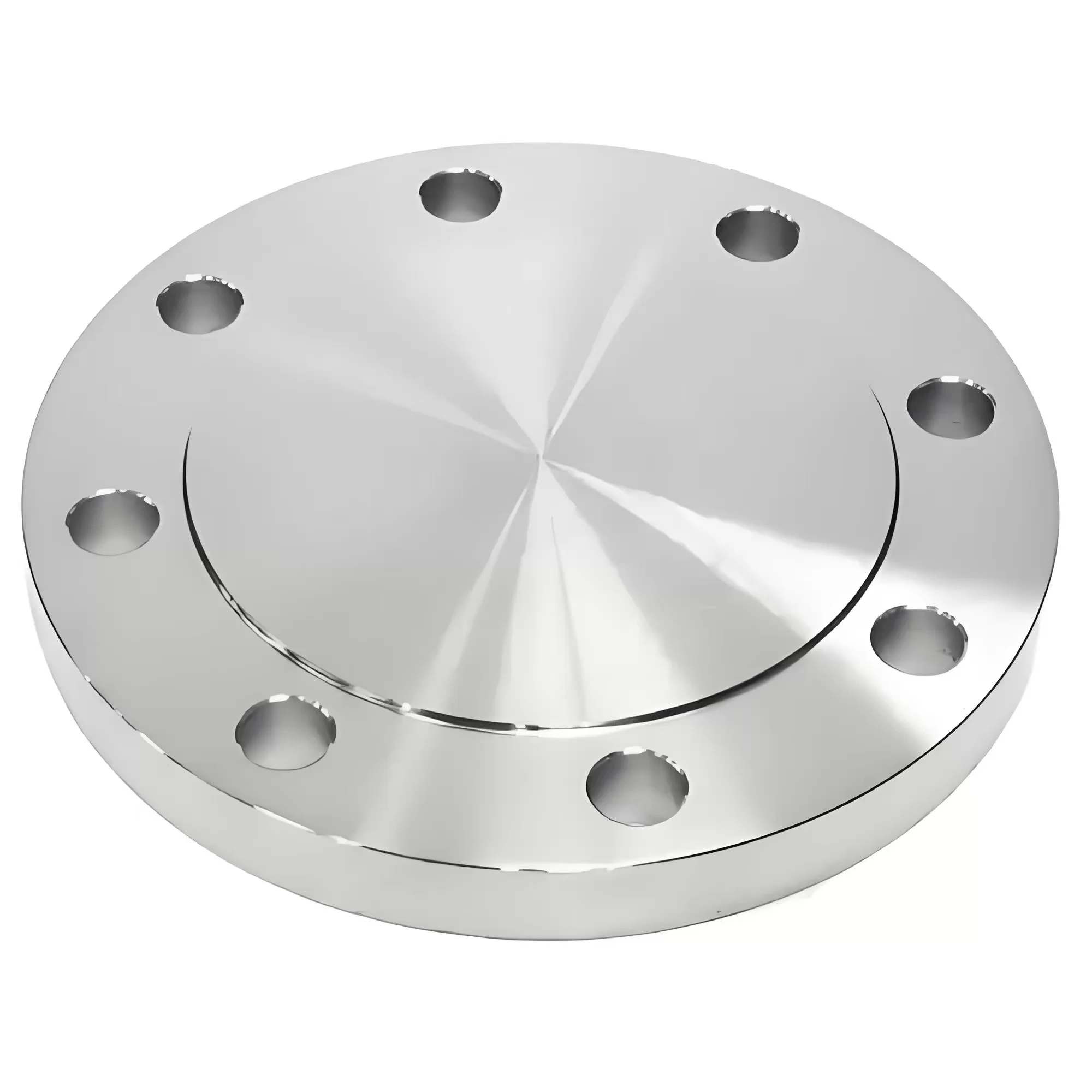
Dec 02,25
Corrosion-Resistant Flanges For Chemical And Marine Industries
Flanges are indispensable components in piping systems, serving as the critical junctions that allow for connections, maintenance, and isolation of flow.
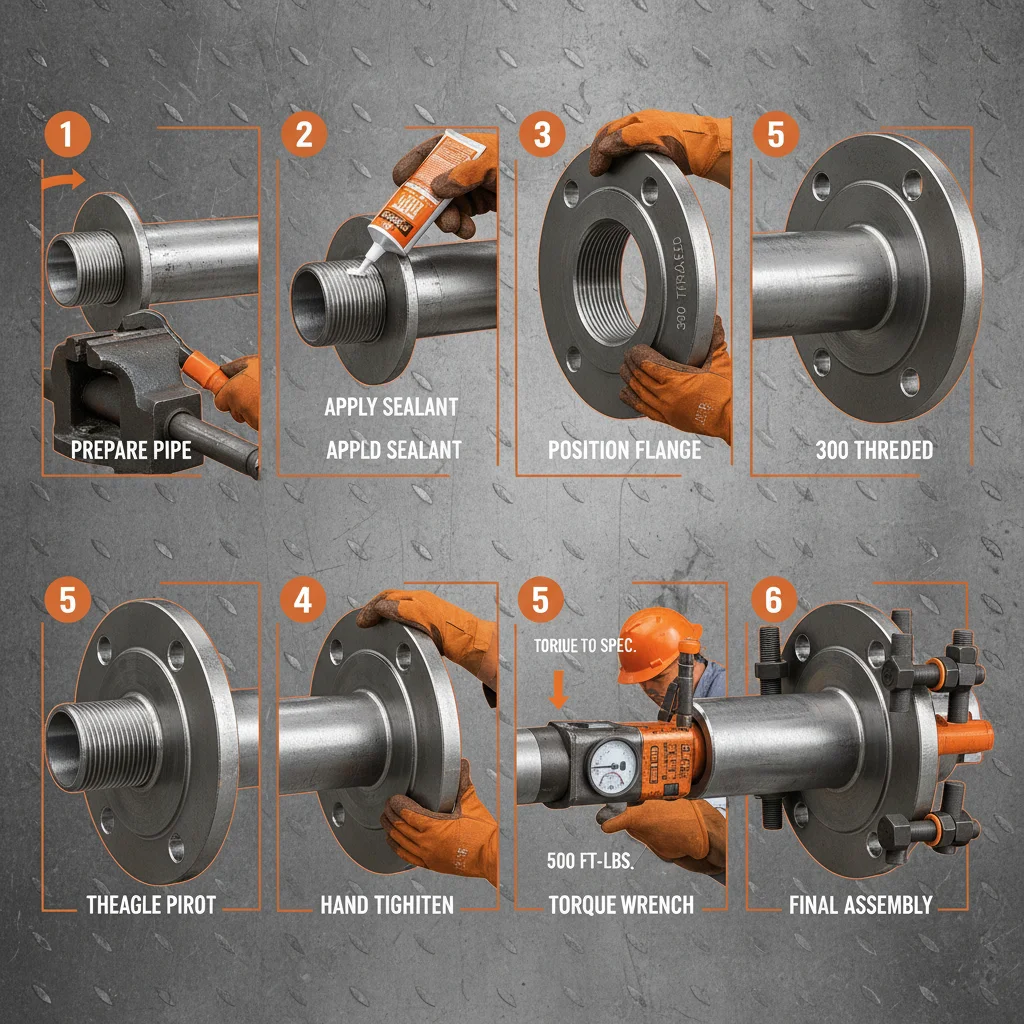
Apr 04,26
Understanding 300 Threaded Flanges for Global Piping System Applications
Apr 07,26
Understanding 50mm Threaded Flange Specifications for Global Commerce
Apr 17,26
Industrial Blind Flange with Threaded Hole for Piping Systems
SUBSCRIBE NEWSLETTER